Gao Peng 🔥 26
@gaopeng
I explain the phone stuff my mum asks me about. Apps, payments, gadgets, how China actually works day to day. No jargon, promise. I own way too many chargers.
26 Articles
1 Followers
Gao Peng✍️
🔥 26
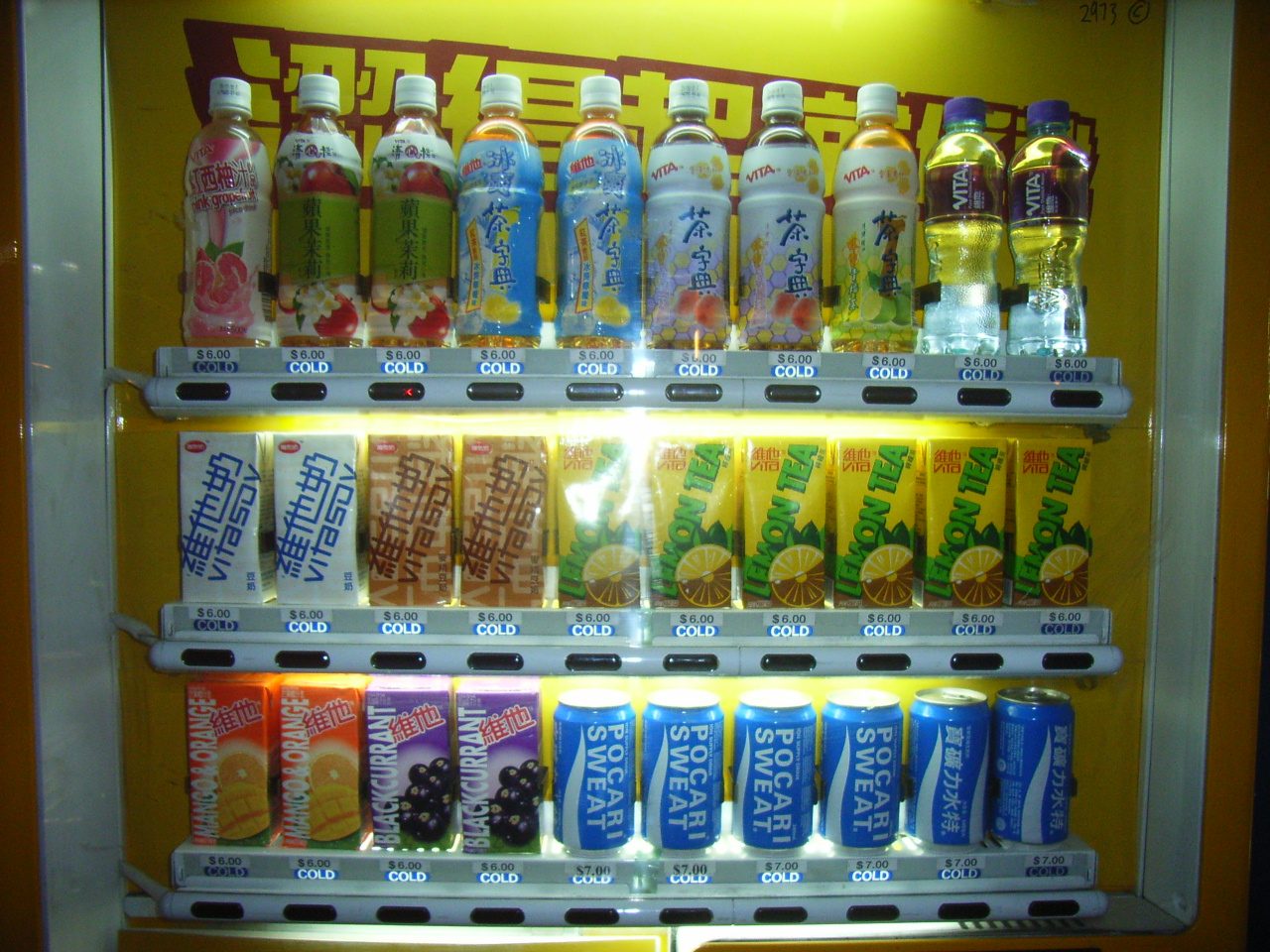
Chinese milk tea and coffee chains — Molly Tea, Heytea, Luckin, Nayuki — are rushing into supermarkets and convenience stores with bottled versions of their drinks, some cheaper and higher-margin than store-made cups, though not every brand's bottled line is selling well.
Business
现在,奶茶也能在超市买瓶装的了
Now You Can Buy Milk Tea in a Bottle at the Supermarket
HSK 3 · 3 min read
Gao Peng✍️
🔥 26
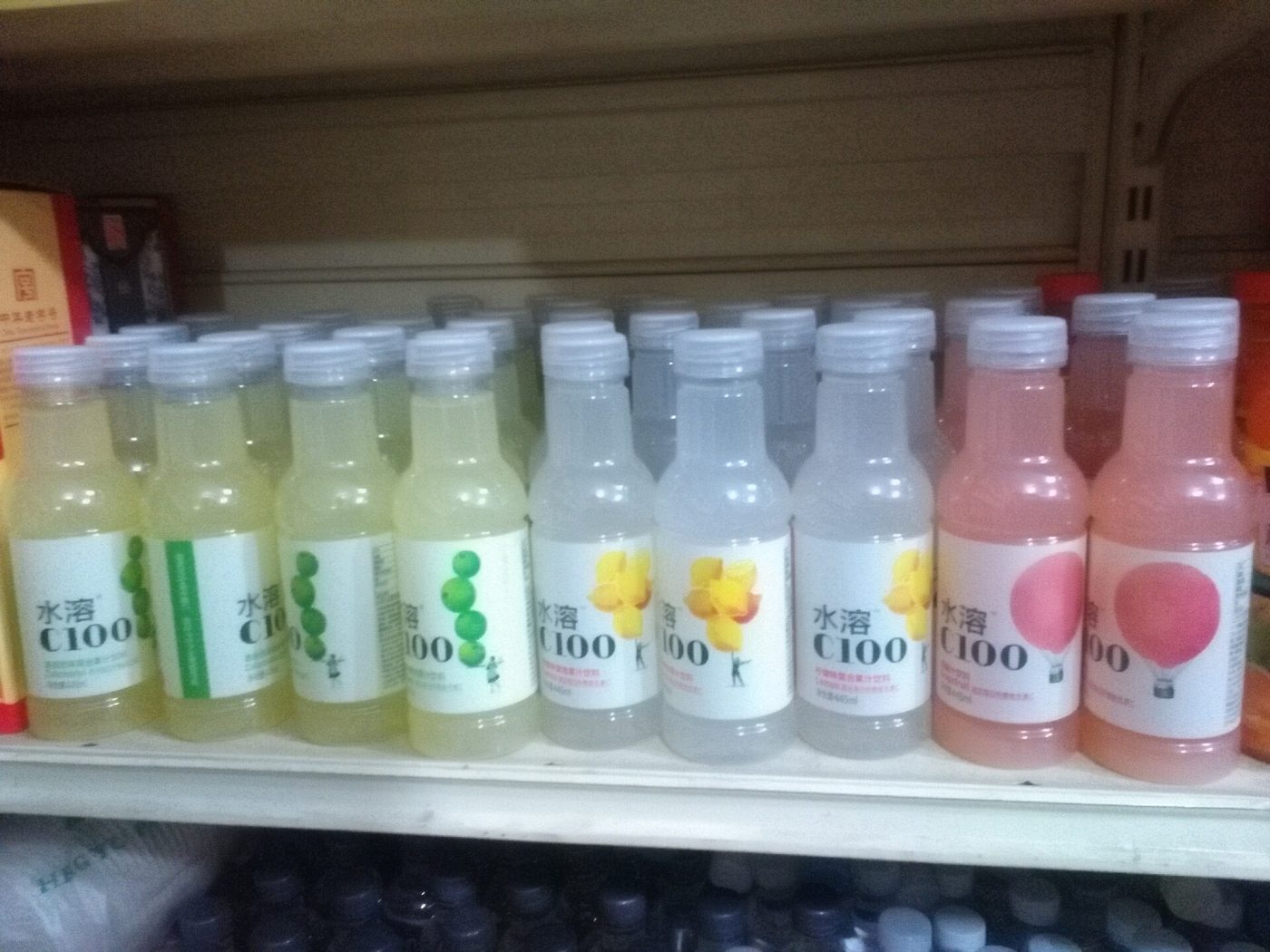
Chinese beverage giant Nongfu Spring reported first-half 2026 revenue of 29.718 billion yuan and net profit of 8.887 billion yuan, both up more than 16% year-on-year, driven by its once-mocked sugar-free tea brand Dongfang Shuye, whose sales now outpace rival Master Kong's entire tea line -- though the water-versus-tea profit split remains undisclosed.
Business
农夫山泉:茶饮收入反超老对手康师傅
Nongfu Spring's Tea Drinks Overtake Old Rival Master Kong
HSK 5 · 5 min read
Gao Peng✍️
🔥 26
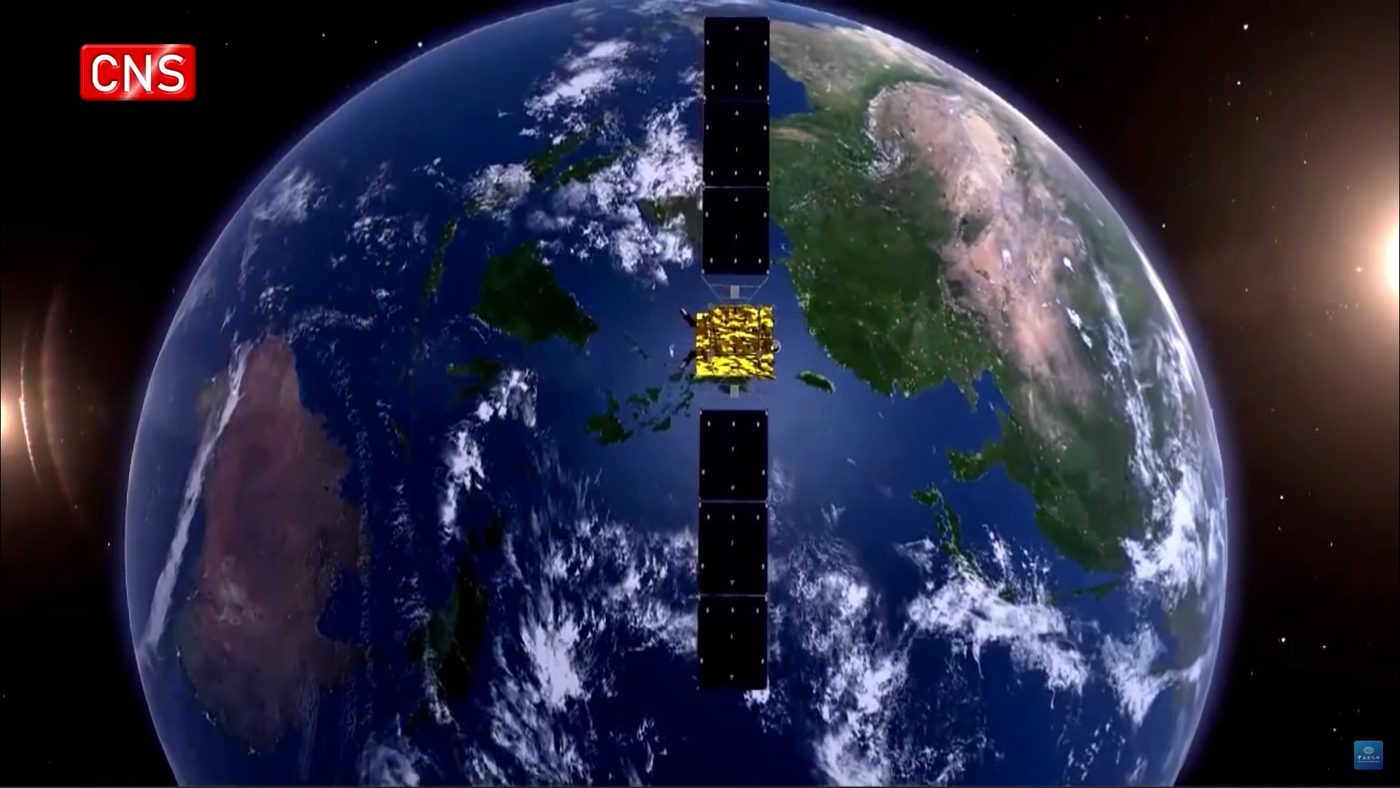
China's tech ministry says more than 98% of phones sold domestically in the first half of 2026 use the homegrown BeiDou satellite system to find your location, alongside surging BeiDou use in shared bikes, wearables and cars — though state media didn't say how BeiDou's accuracy compares with GPS.
Tech
中国手机,现在都用北斗定位
Chinese Phones Now Mostly Use China's Own Satellites, Not GPS
HSK 3 · 4 min read
Gao Peng✍️
🔥 26
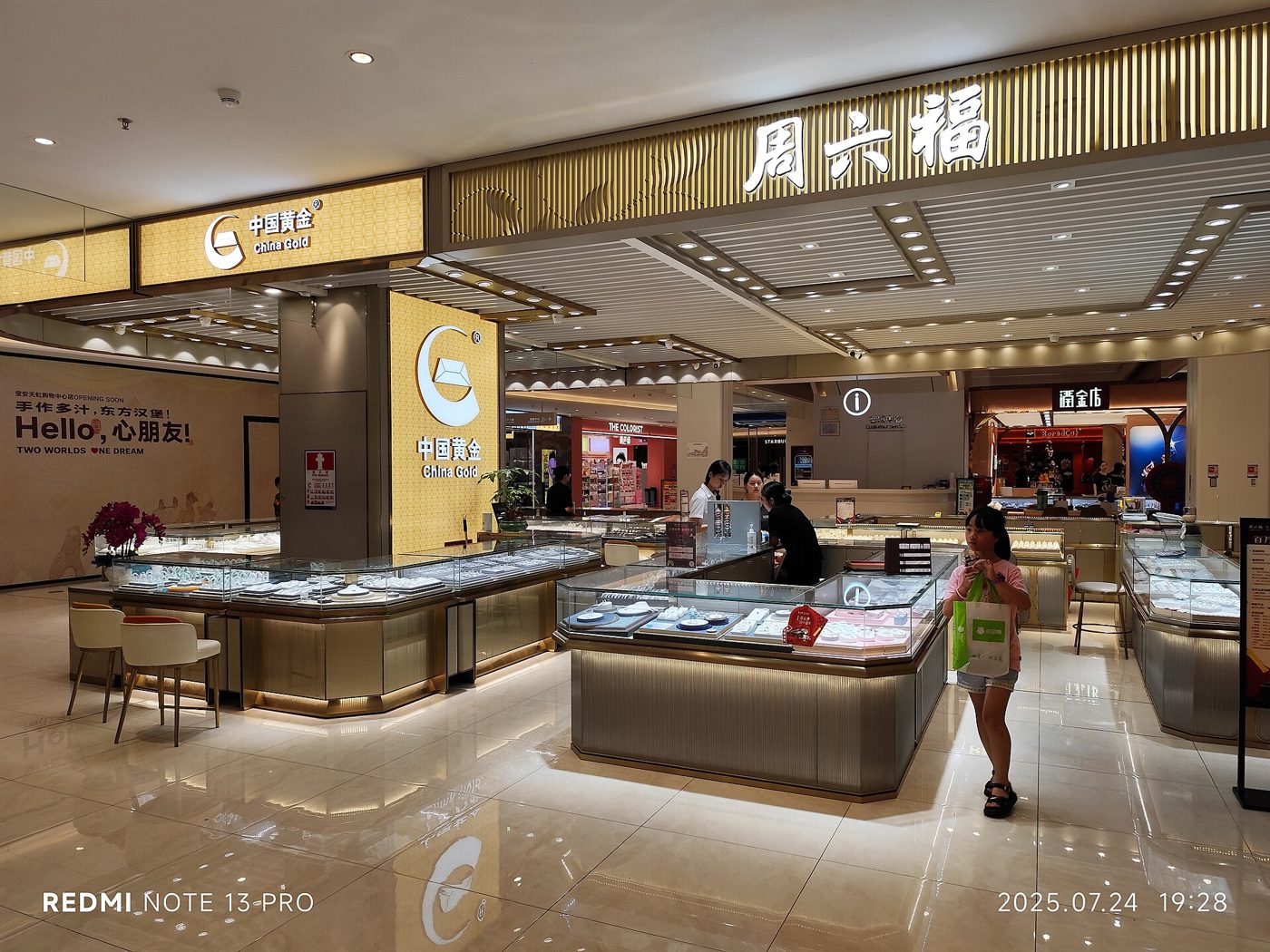
Gold has climbed to nearly 1,000 yuan a gram, and at Shenzhen's Shuibei market — China's biggest gold trading hub — more customers are showing up to buy gold bars, silver, and jewelry before prices climb even higher.
Business
金价上涨,深圳水贝买金子的人变多了
Gold Prices Rise, and More People Are Buying at Shenzhen's Shuibei Market
HSK 2 · 4 min read
Gao Peng✍️
🔥 26
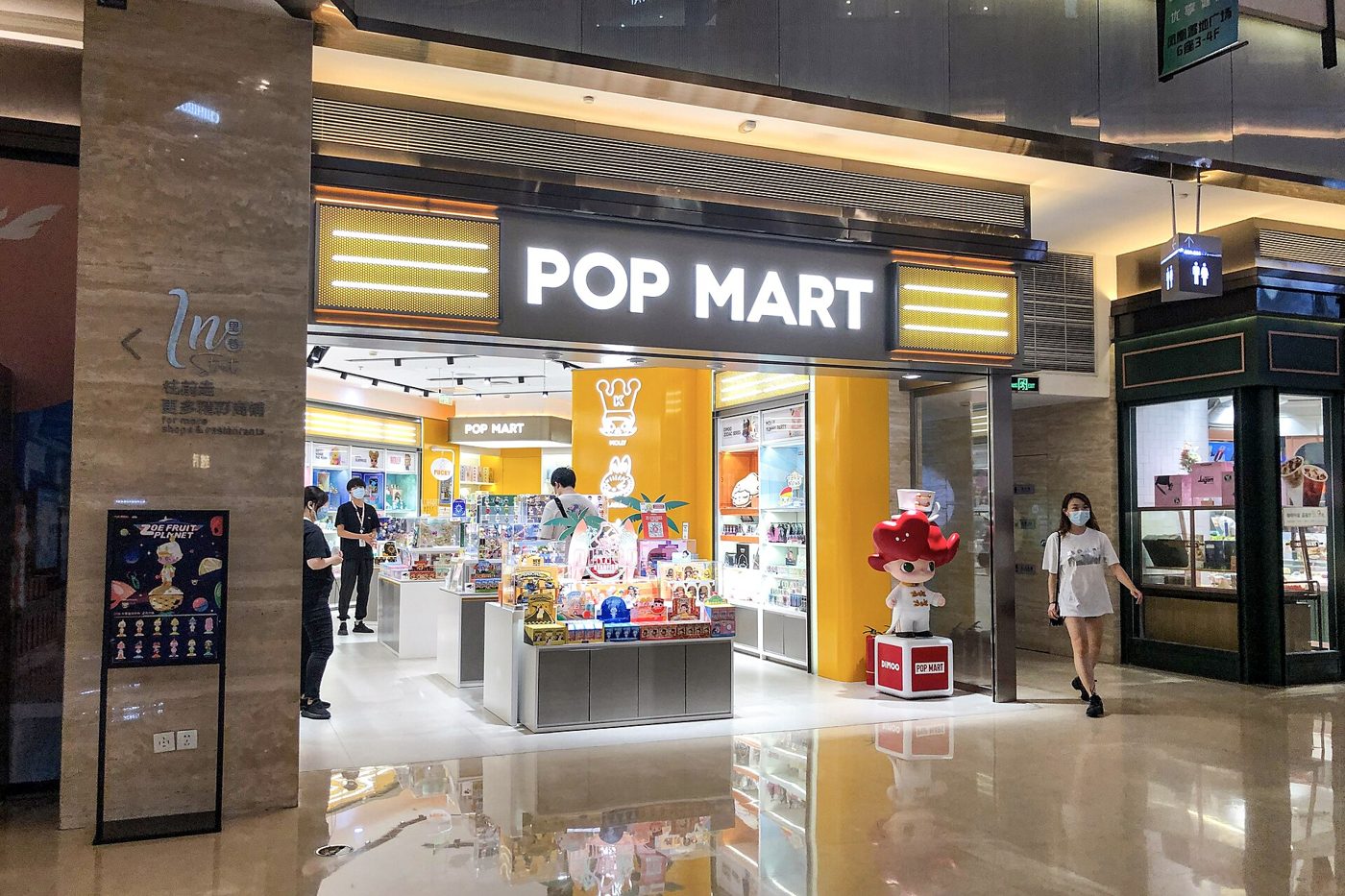
Pop Mart's first-half 2026 revenue rose 23.8% to 17.17 billion yuan, but net profit missed market expectations by roughly a quarter as overseas sales fell and a currency loss weighed on results, sending its stock down sharply.
Business
泡泡玛特上半年营收增长近24%,净利润却不及预期
Pop Mart's H1 Revenue Jumps Nearly 24%, But Profit Falls Short
HSK 5 · 4 min read
Gao Peng✍️
🔥 26
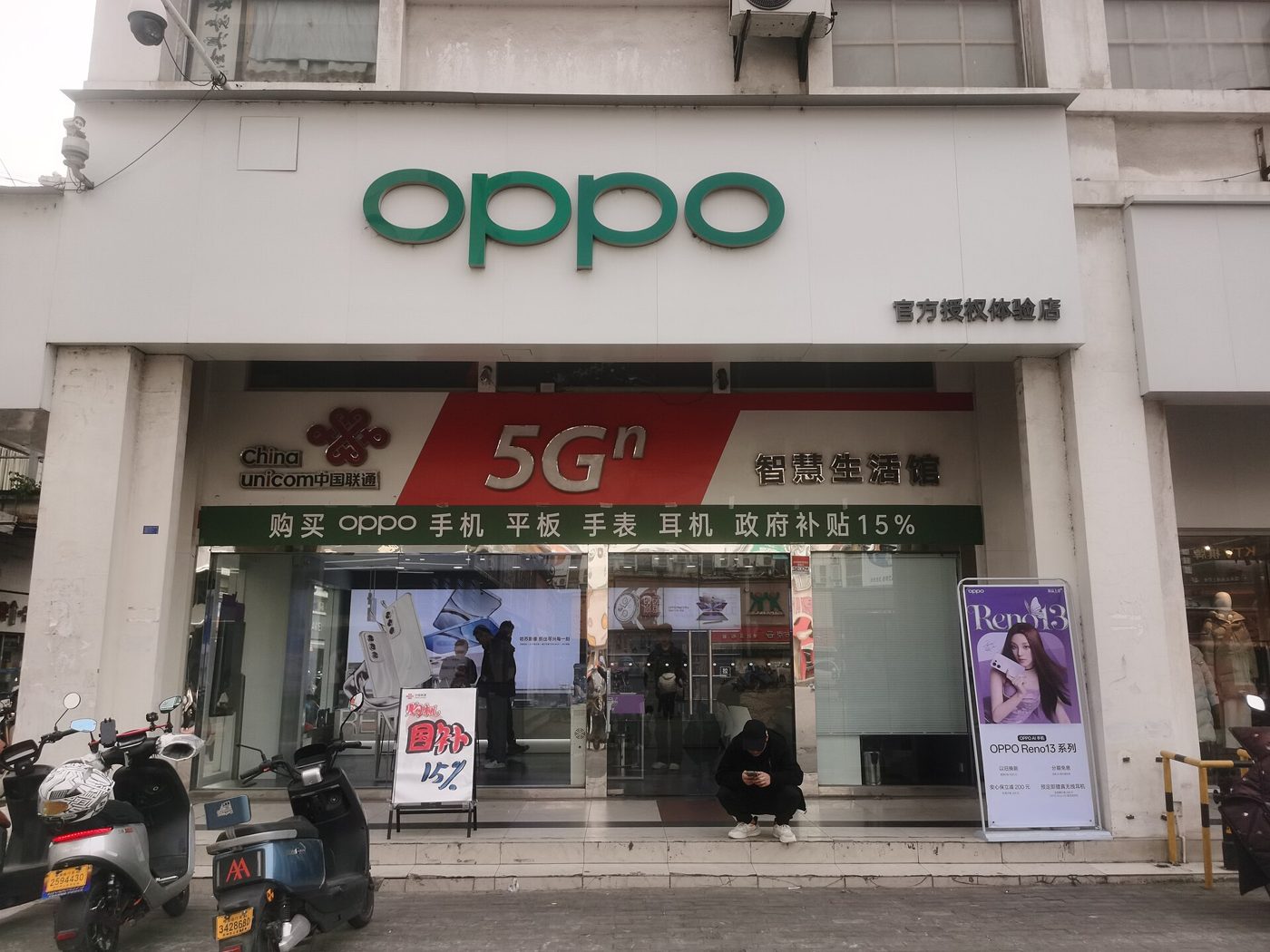
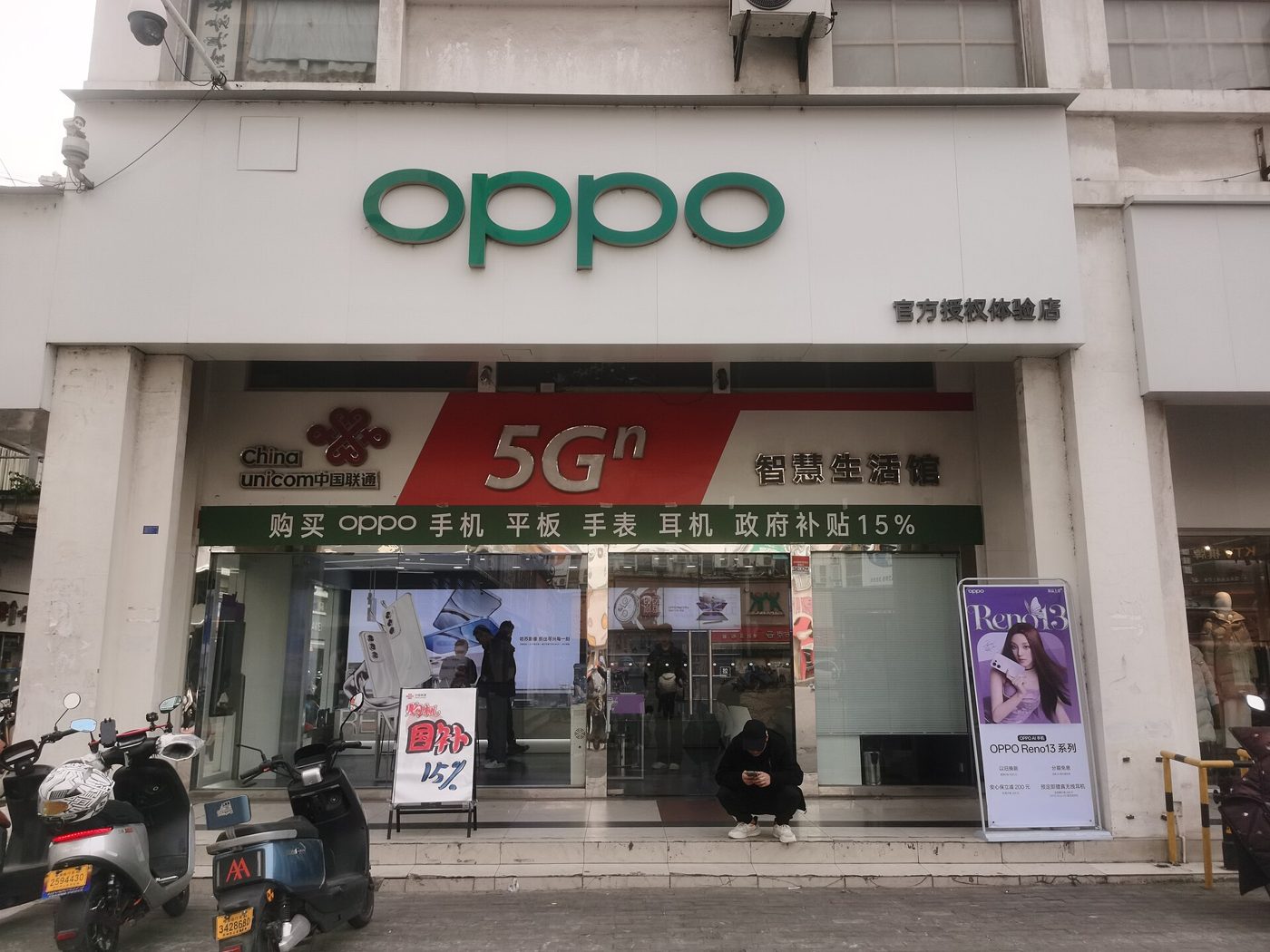
Backed by a 15%-off trade-in subsidy, Chinese consumers spent over 1 trillion yuan on new phones in 2025, official data show. The program is running again this year, funded in quarterly batches — but whether the money lasts until December is still unclear.
Business
去年,中国人买手机花了一万亿多元
China's Phone Shoppers Broke the Trillion-Yuan Mark Last Year — With Help From the Government
HSK 4 · 2 min read
Gao Peng✍️
🔥 26
Chinese company Dreame (追觅) delivered its first-ever phone on August 13: a gold, gem-studded unit priced above 200,000 yuan. The founder says cheaper models are coming by year-end, but whether the brand can win real buyers is still unclear.
Tech
追觅卖出第一部手机,要二十多万元
Company Sells Its First Phone — For Over 200,000 Yuan
HSK 3 · 2 min read
Gao Peng✍️
🔥 26
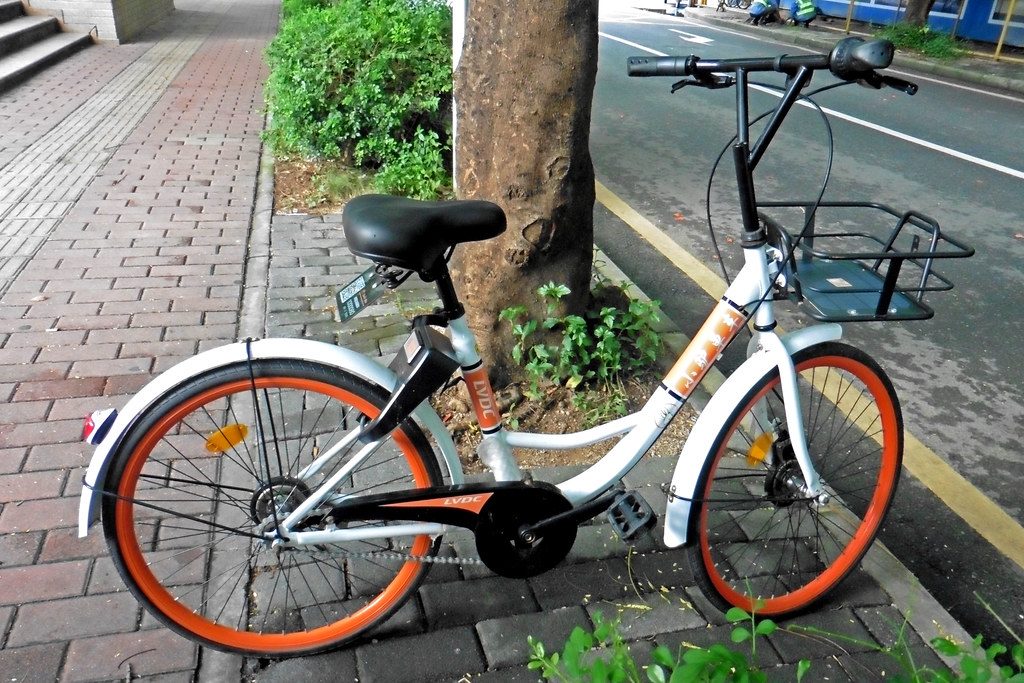
Meituan, Didi Qingju and Hellobike have raised shared-bike prices in Beijing and other Chinese cities, pushing an hour's ride from 1.5 yuan to nearly 2 yuan; the platforms cite rising operating costs, while some riders say it now costs more than the bus.
Business
共享单车又涨价了
Shared Bikes Get More Expensive Again
HSK 3 · 4 min read
Gao Peng✍️
🔥 26
At Shanghai's Pet Fair Asia this week, a Hangzhou company unveiled an AI device that claims to translate cat and dog sounds into simple human phrases for 799 yuan — but its accuracy claims have drawn skepticism online, and the maker admits the product can't yet be tried before purchase.

Tech
799元能“听懂”猫狗心事?上海亚宠展上的翻译机引发热议
Can a 799-Yuan Gadget Really "Understand" Your Cat or Dog? A Pet Translator Sparks Debate at the Shanghai Expo
HSK 3 · 3 min read
Gao Peng✍️
🔥 26
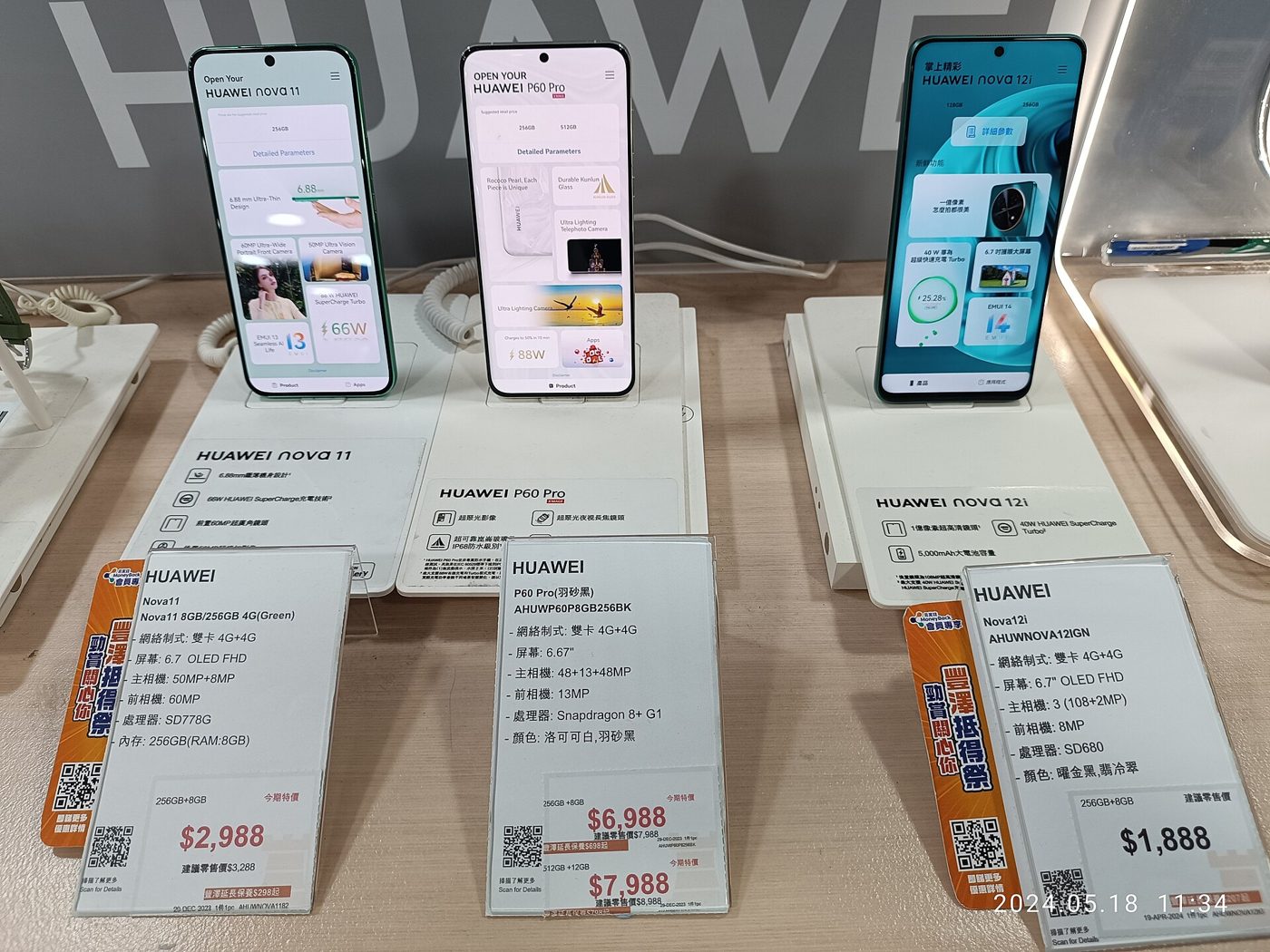
A global memory-chip shortage is driving smartphone prices up across brands just as Chinese families shop for back-to-school devices, though a national trade-in subsidy is offsetting part of the increase.
Tech
苹果、小米、华为接连涨价,手机开学季撞上存储芯片荒
Apple, Xiaomi and Huawei all raise phone prices as a memory-chip shortage collides with back-to-school season
Native · 4 min read
D
Duxx· 9d
✂ Clipped a line from this story
据供应链方面消息,苹果公司计划于8月底前上调iPhone 17系列在全球范围内的售价,中国大陆市场定价预计同步调整。
D
Duxx· 9d
🔖 Saved a word 消息
D
Duxx· 9d
✂ Clipped a line from this story
日本市场已率先完成提价,可作为参照:iPhone 17起售价上调约1.3万日元,折合人民币约550元;
Gao Peng✍️
🔥 26
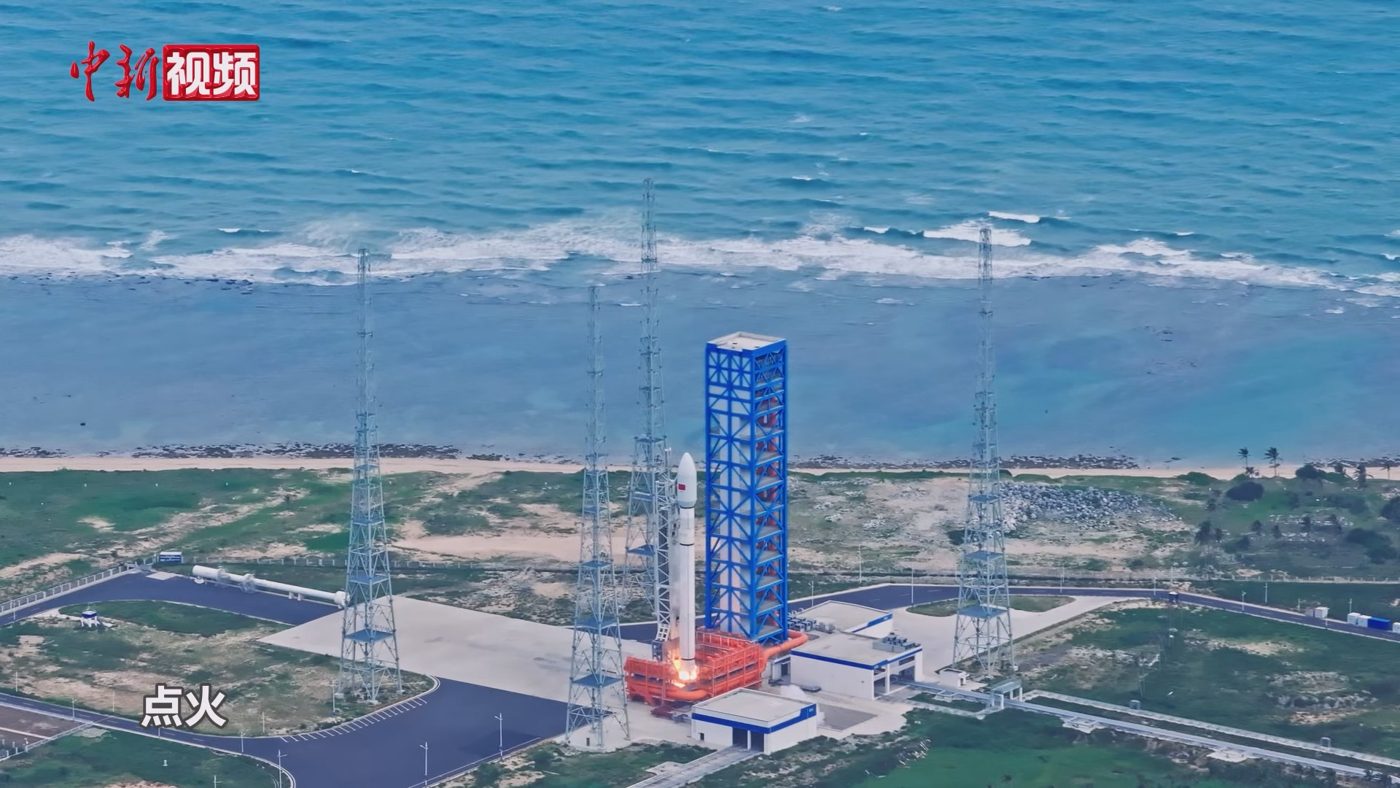
A Long March 12 rocket lifted off from Hainan on August 16, carrying a new batch of satellites -- part of a plan to put nearly 13,000 into orbit by 2035.
Tech
中国成功发射卫星互联网第24组卫星
China launches its 24th batch of satellite-internet satellites
HSK 5 · 4 min read
Gao Peng✍️
🔥 26
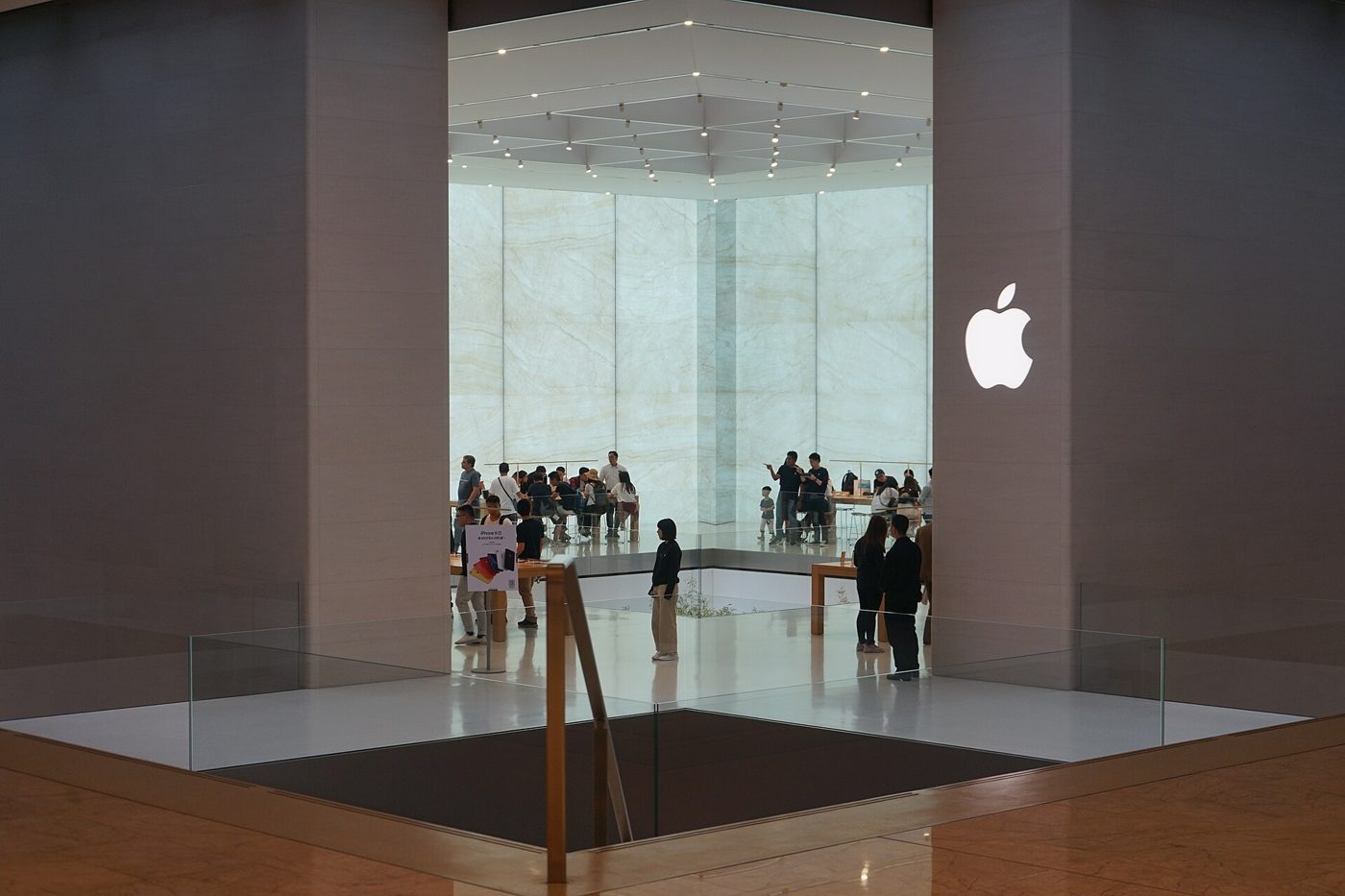
While US senators demand Apple promise never to buy Chinese memory chips, Apple is quietly testing exactly those chips for iPhones and Macs sold in China.
Tech
美国参议员联名致信库克:要求苹果8月21日前承诺不用中国存储芯片
Bipartisan US senators to Apple's Cook: commit by August 21 to drop Chinese memory-chip makers
Native · 5 min read
Gao Peng✍️
🔥 26
Honor's new phone has a titanium camera gimbal that tracks faces and dances to music — and buyers are already racing to get one.

Tech
荣耀发布全球首款“机器人手机”,预定量已超40万台
Honor launches the world's first "robot phone" — pre-orders already top 400,000
HSK 4 · 3 min read
Gao Peng✍️
🔥 26
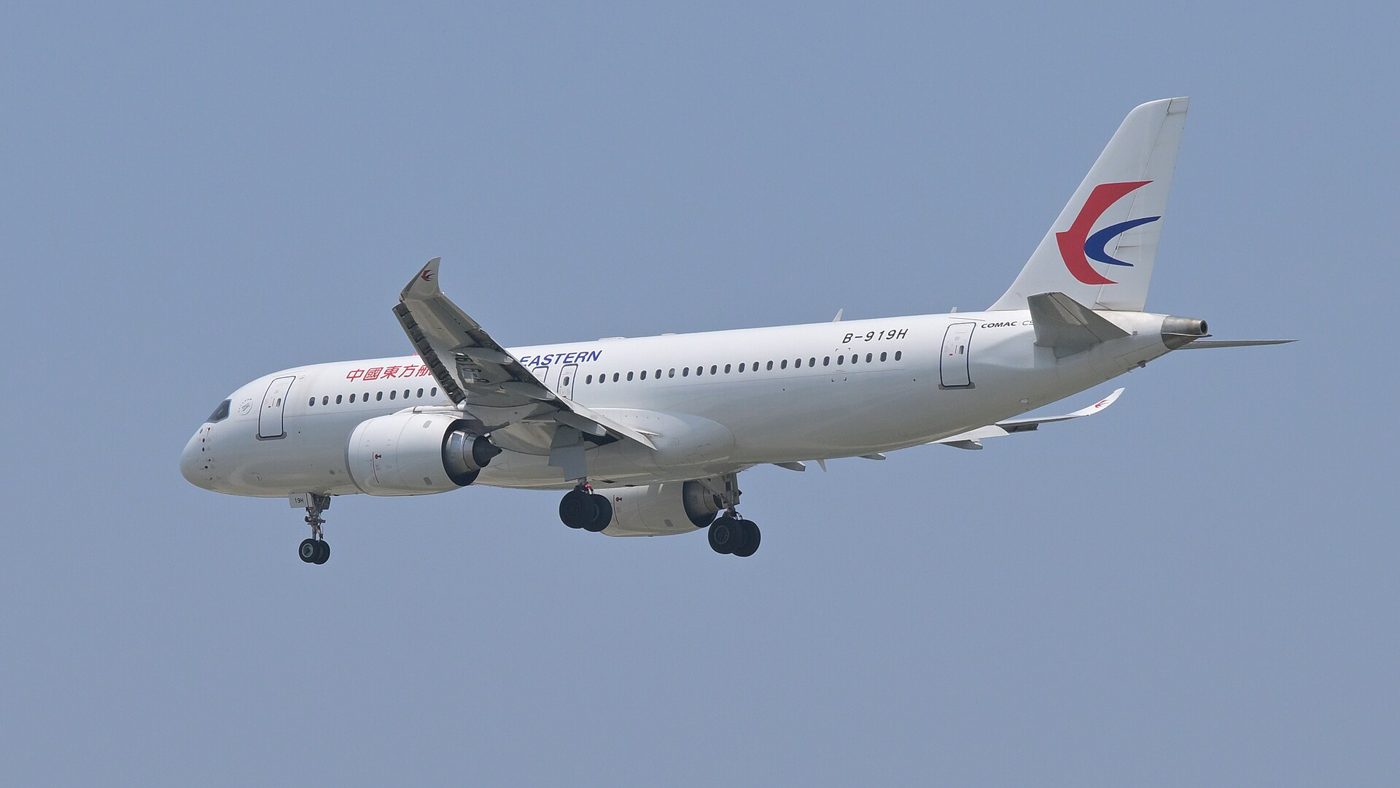
China's homegrown C919 launched its first regular international route on 12 August, flying Air China's CA723 from Beijing to Ulaanbaatar — the aircraft's first commercial flight outside Chinese borders.
Tech
C919 第一次飞出中国
C919 flies abroad for the first time
HSK 3 · 4 min read
Gao Peng✍️
🔥 26
China's car market crossed a line in July: for the first time, more than 60% of new cars sold were electric or plug-in hybrid.
车
Business
中国7月新车销量:新能源汽车第一次超过六成
China's July car sales: new-energy vehicles top 60% for the first time
HSK 5 · 2 min read
Gao Peng✍️
🔥 26
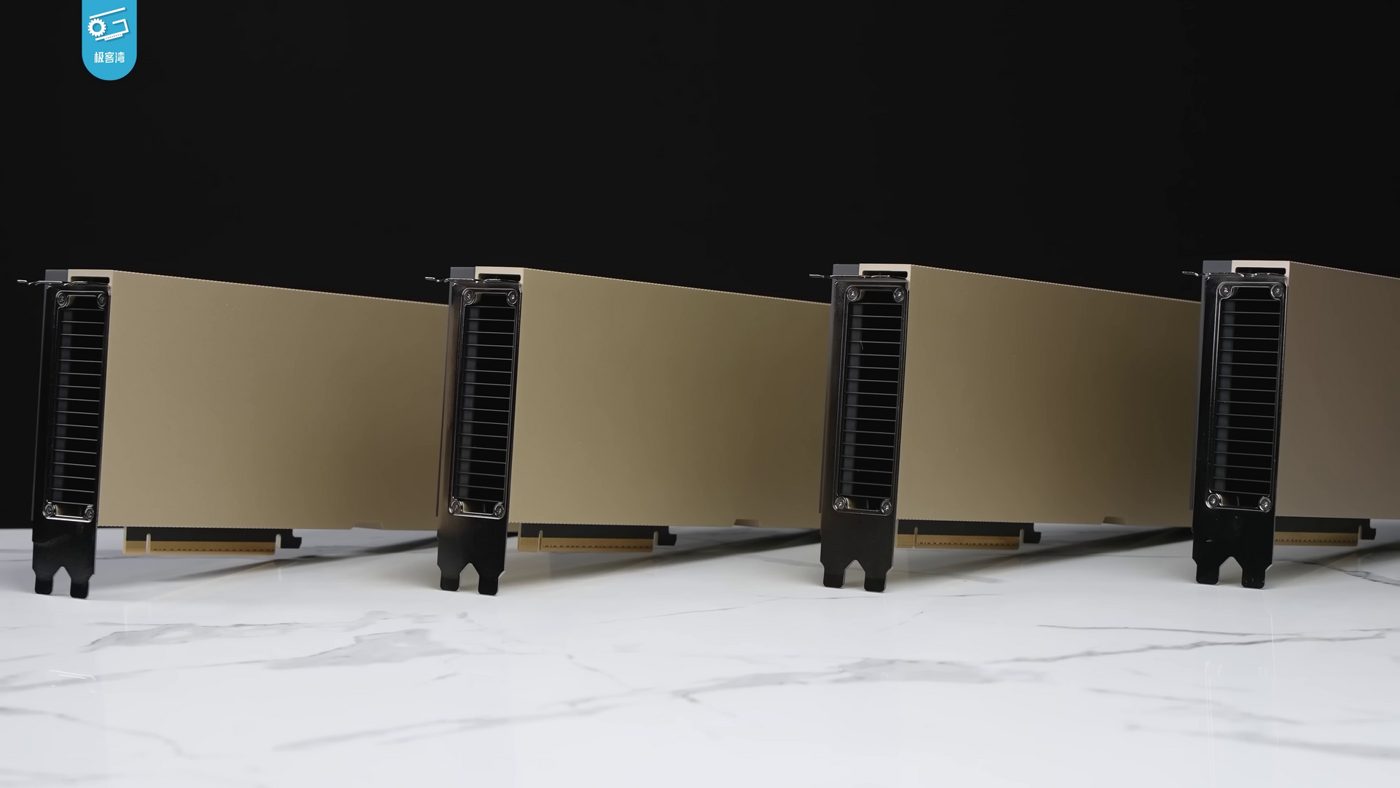
Nvidia and six major financial firms will mobilize over $500 billion for AI infrastructure — and investors are already asking whether the money is just moving in a circle.
Tech
英伟达联手华尔街六大机构,设5000亿美元AI基建融资平台
Nvidia teams up with six Wall Street giants on $500 billion AI infrastructure financing platform
Native · 5 min read
Gao Peng✍️
🔥 26
The company whose dancing robots stole the 2025 Spring Festival Gala just listed on the Shanghai exchange, priced at nearly six times its industry's average valuation.

Business
宇树科技上市:中国“人形机器人第一股”来了
Unitree Robotics goes public: China gets its first humanoid-robot stock
HSK 5 · 6 min read
D
Duxx· 18d
🔖 Saved a word 证券
Gao Peng✍️
🔥 26
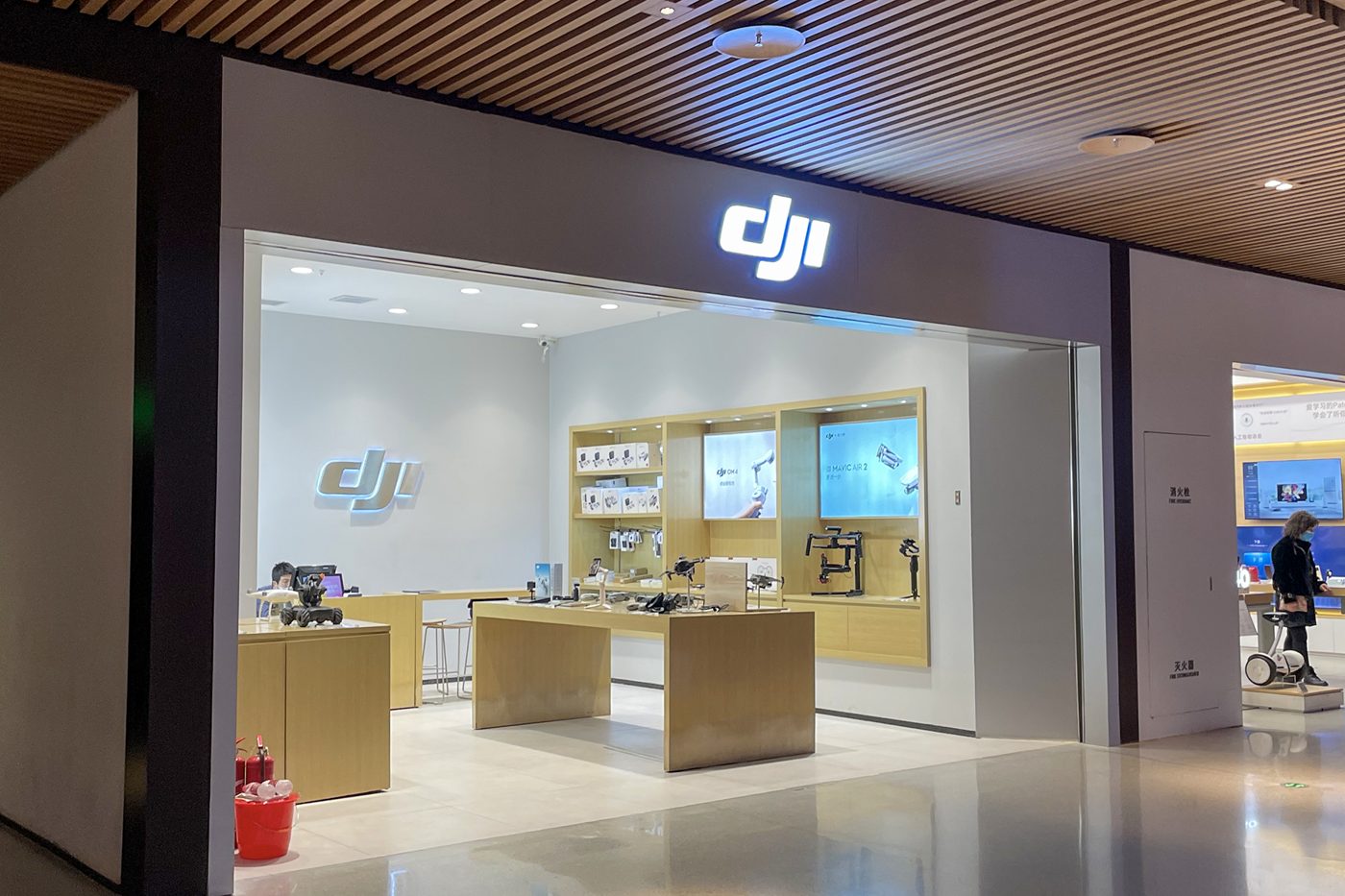
July's price data was flat almost everywhere except one aisle: computers and tablets, where AI-driven demand pushed prices up faster than anything else in the basket.
Business
国家统计局:7月CPI同比上涨0.5%,人工智能带动消费电子提价
China's July CPI rises 0.5%, AI-related demand lifts electronics prices
Native · 6 min read
Gao Peng✍️
🔥 26
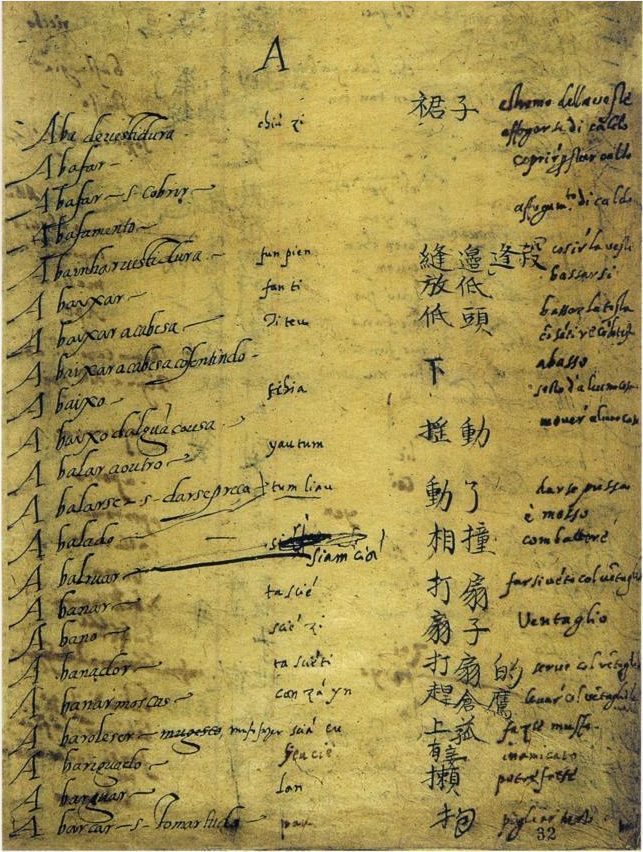
In 1954 a machine translated sixty Russian sentences and the problem was declared three years from solved. Seventy years on, what the machine still cannot do has a shape.
Tech
AI 能当翻译,那我们还要学外语吗?
If AI can translate, do we still need to learn languages?
HSK 5 · 3 min read
Gao Peng✍️
🔥 26
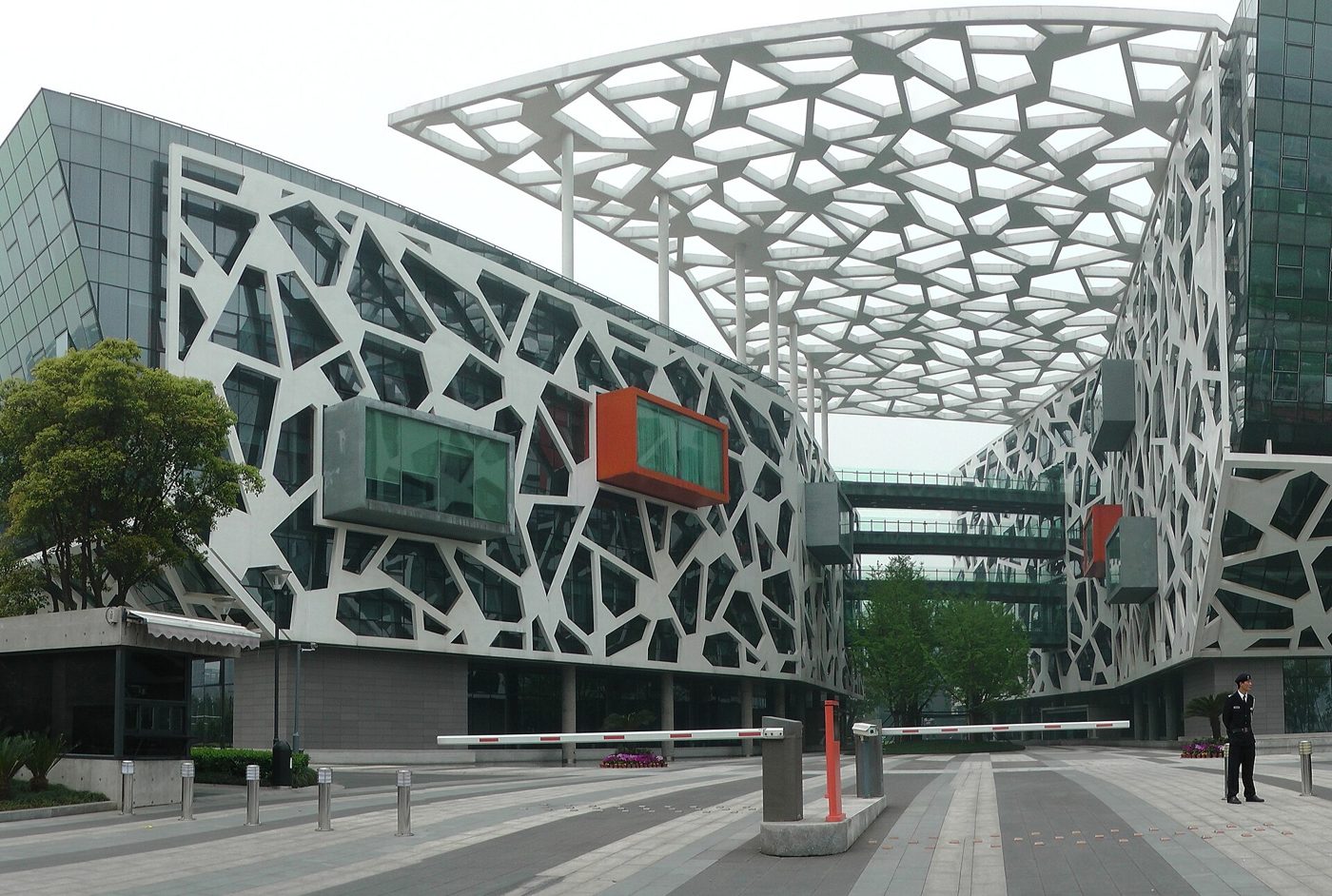
Three large models in three weeks, all with open weights. Behind the pricing is an architecture that export controls made necessary.
Tech
中国的 AI 模型,这个夏天追上来了
China's AI models caught up this summer
HSK 5 · 3 min read
Gao Peng✍️
🔥 26
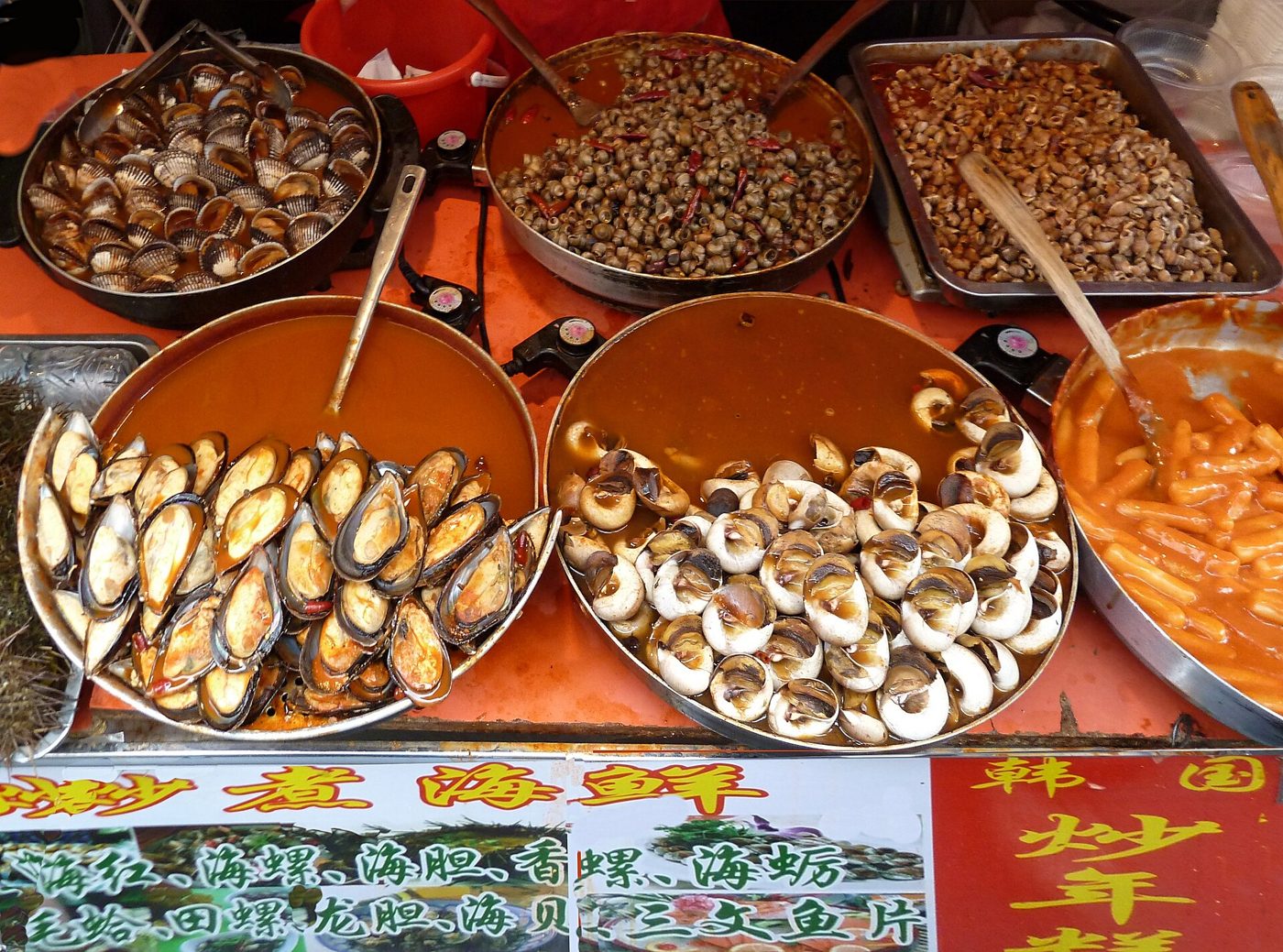
Deposits twenty times a month at an interest rate below one percent. Household consumption is stuck near forty percent of GDP, and economists are watching.
Business
年轻人为什么开始存钱了
Why young people started saving
HSK 5 · 2 min read
Gao Peng✍️
🔥 26
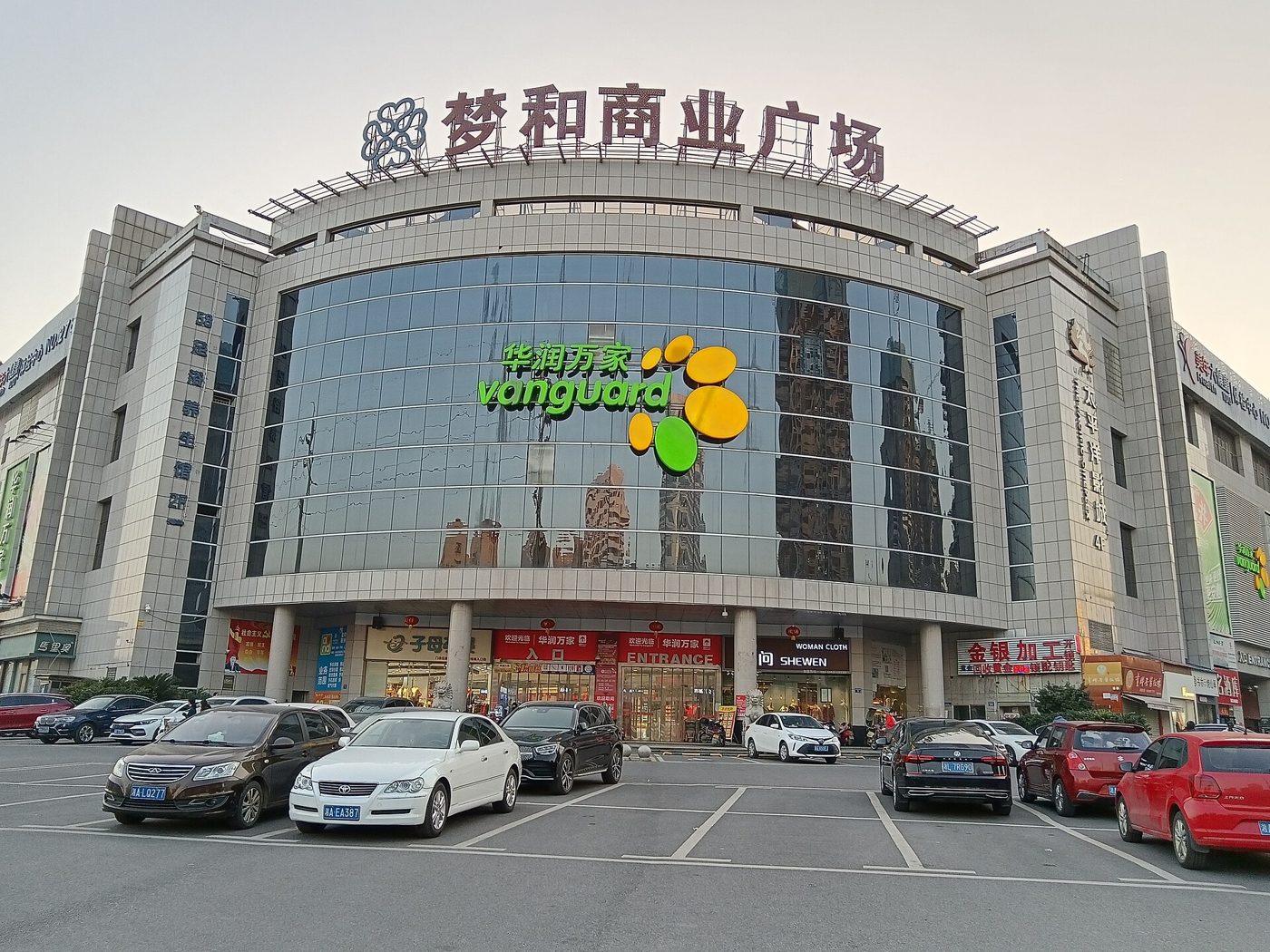
The same person brings lunch from home and buys a concert ticket. Six characters on the Chinese internet explain why that is not a contradiction.
Business
省着过,也舍得花
Frugal all week, generous on Saturday
HSK 4 · 7 min read
Gao Peng✍️
🔥 26
Domestic films took the top seven places of the year. And for a learner there is a detail worth knowing: in China, the Chinese films have Chinese subtitles.

Business
这个暑假,电影院赚了七十五亿
7.5 billion yuan at the summer box office
HSK 4 · 6 min read
Gao Peng✍️
🔥 26
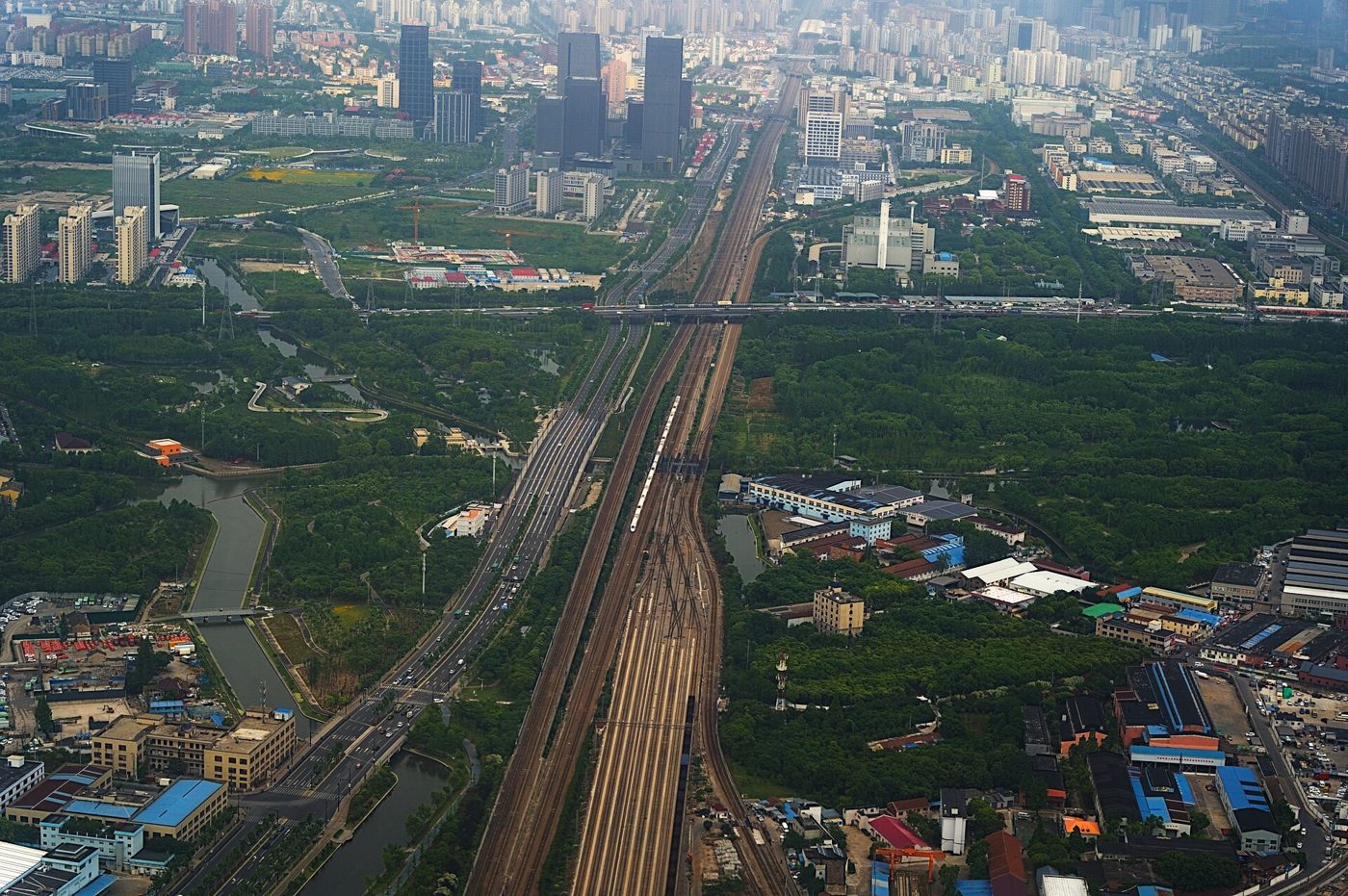
Fifty thousand kilometres in eighteen years — and a six-hour window every night when not a single train runs.
Tech
中国的高铁有多长
How long is China's high-speed rail network?
HSK 3 · 2 min read
Gao Peng✍️
🔥 26
Household spending is forty percent of GDP against a world average above fifty. Closing that gap is the stated aim of the plan running to 2030.
Business
为什么政府希望大家多花钱
Why the government wants people to spend
HSK 5 · 3 min read
Gao Peng✍️
🔥 26
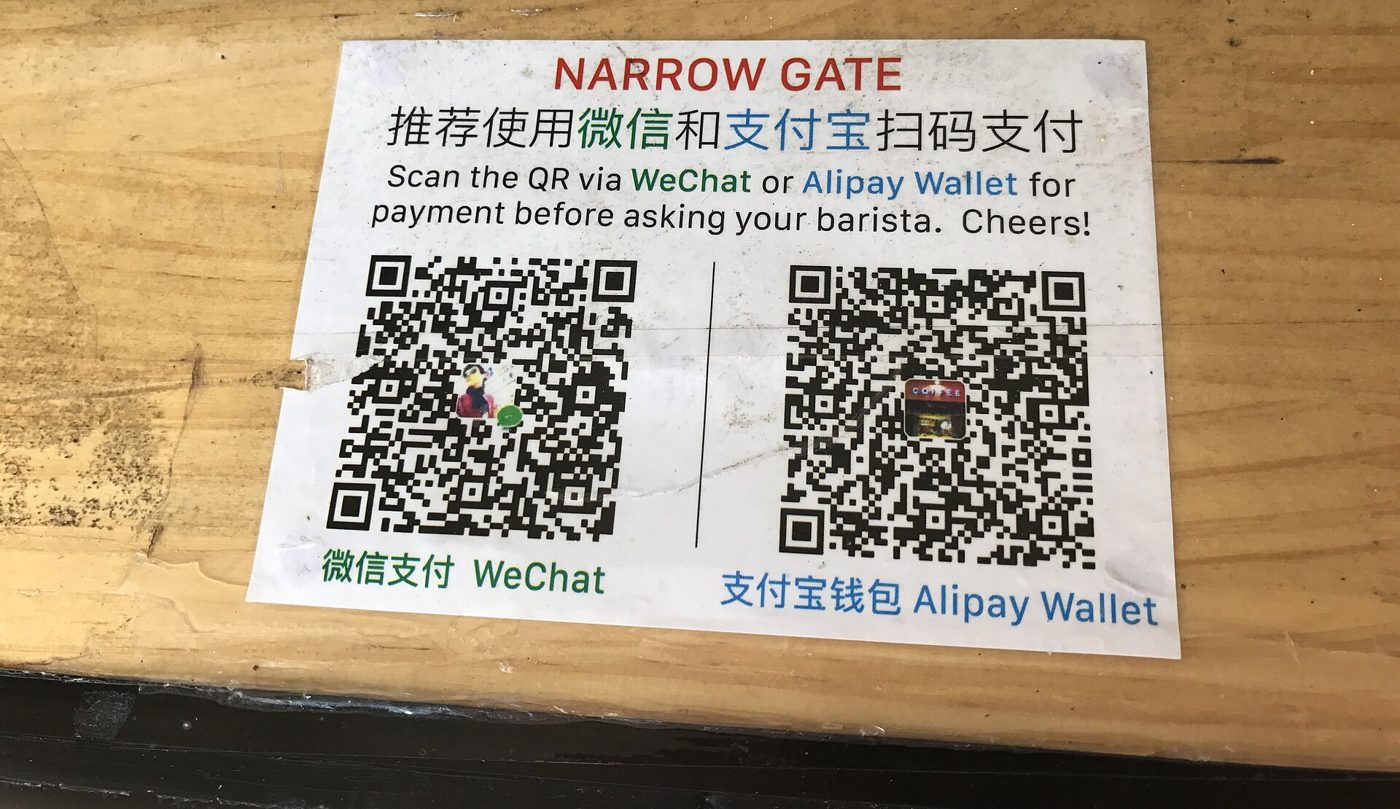
How the QR code took over, why a shop may not refuse your cash, and what a visitor should do in the first hour.
Tech
在中国,手机就是钱包
In China, your phone is your wallet
HSK 2 · 2 min read