Sichuan opera comes to Kazan: Chinese artists take a century-old Russian stage for the first time
8yuè月17rì日zhì至18rì日,zhōng中guó国chuān川jù剧yǎn演chū出tuán团zài在é俄luó罗sī斯kā喀shān山de的dá鞑dá靼sī斯tǎn坦kǎ卡mǎ马ěr尔yì艺shù术jù剧yuàn院yǎn演chū出zhuān专chǎng场《chuān川yùn韵dōng东fāng方》,zhè这shì是zhōng中guó国yì艺shù术jiā家shǒu首cì次dēng登shàng上zhè这zuò座bǎi百nián年jù剧yuàn院de的wǔ舞tái台。
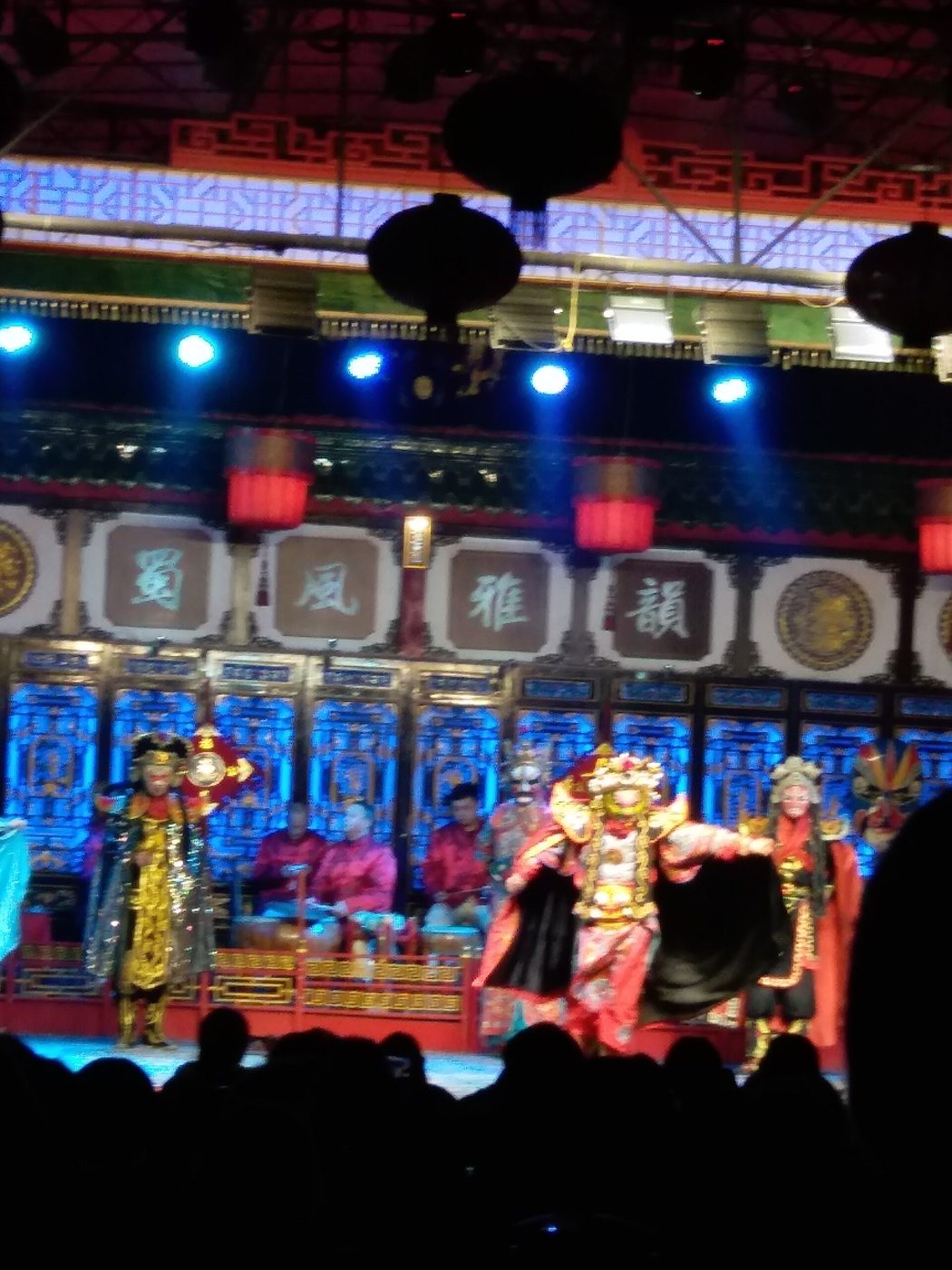
On August 17 and 18, a Chinese Sichuan opera troupe staged the programme "Eastern Charm of Sichuan Opera" at the Kamal Theatre in Kazan, Russia — the first time Chinese artists have performed on the stage of this century-old theatre.
17 и 18 августа труппа сычуаньской оперы из Китая показала программу «Восточное очарование Сычуани» на сцене казанского театра им. Камала в России — китайские артисты впервые вышли на сцену этого векового театра.
jù据é俄luó罗sī斯wèi卫xīng星tōng通xùn讯shè社zhōng中wén文wǎng网bào报dào道,yǎn演chū出zhèng正zhí值dì第sì四jiè届「méng萌yá芽:é俄luó罗sī斯yǔ与zhōng中guó国hù互lì利hé合zuò作」guó国jì际lùn论tán坛qī期jiān间,shì是lùn论tán坛wén文huà化huó活dòng动de的zhòng重yào要zǔ组chéng成bù部fèn分。lùn论tán坛8yuè月16rì日zhì至19rì日zài在kā喀shān山jǔ举xíng行。
According to Sputnik China, the performance coincided with the fourth "Sprout: Russia-China Mutually Beneficial Cooperation" International Forum, held in Kazan from August 16 to 19, and formed a major part of the forum's cultural programme.
По данным китайской версии «Спутника», выступление прошло в рамках четвёртого международного форума «Всходы: взаимовыгодное сотрудничество России и Китая», который проходил в Казани с 16 по 19 августа, и стало важной частью культурной программы форума.
《chuān川yùn韵dōng东fāng方》yóu由sì四chuān川yì艺shù术zhí职yè业xué学yuàn院yǔ与tián田màn蔓shā莎xì戏qǔ曲chuàng创xīn新gōng工zuò作shì室gòng共tóng同yǎn演chū出,8yuè月17rì日、18rì日wǎn晚gè各yǎn演yī一cháng场,měi每chǎng场yuē约jiǔ九shí十fēn分zhōng钟,gòng共yǎn演chū出sān三zhé折chuán传tǒng统zhé折zi子xì戏:《bié别dòng洞guān观jǐng景》《fàng放péi裴》《huó活zhuō捉sān三láng郎》。
"Eastern Charm of Sichuan Opera" was staged jointly by the Sichuan Vocational College of Arts and the Tian Mansha Opera Innovation Studio, with one roughly 90-minute performance each evening on August 17 and 18, covering three traditional excerpts: "Watching the Scene from the Grotto," "Releasing Pei" and "Capturing Third Brother."
Программу «Восточное очарование Сычуани» подготовили совместно Сычуаньский профессиональный институт искусств и Творческая мастерская Тянь Маньша. Каждый вечер, 17 и 18 августа, показывали один спектакль продолжительностью около 90 минут — три классических отрывка: «Вид из грота», «Отпустить Пэя» и «Поймать Саньлана».
sān三zhé折xì戏jí集zhōng中zhǎn展shì示le了chuān川jù剧de的biàn变liǎn脸、zhǎng长chóu绸、zhé折shàn扇、shuǐ水xiù袖děng等zhǔ主yào要biǎo表yǎn演jì技fǎ法,ràng让tái台xià下de的é俄luó罗sī斯guān观zhòng众jìn近jù距lí离kàn看dào到chuān川jù剧de的gōng功fu夫。
The three excerpts concentrated the main techniques of Sichuan opera — face-changing, long silk ribbons, folding fans and water sleeves — putting the craft directly in front of the Russian audience.
В трёх отрывках были сосредоточены главные приёмы сычуаньской оперы: смена масок, работа с длинными шёлковыми лентами, веерами и «водяными рукавами» — российские зрители увидели мастерство актёров вблизи.
zhè这cì次yǎn演chū出de的zǒng总dǎo导yǎn演,shì是zhōng中guó国xì戏jù剧「èr二dù度méi梅huā花jiǎng奖」dé得zhǔ主tián田màn蔓shā莎。tā她shí十yú余nián年qián前yǐ已dàn淡chū出wǔ舞tái台,zhè这cì次zhuān专chéng程wèi为fù赴é俄yǎn演chū出fù复pái排le了zhé折zi子xì戏《qíng情tàn叹》,chóng重xīn新dēng登tái台。tā她duì对jì记zhě者shuō说:「dà大jiā家duì对yú于chuān川jù剧jiù就shì是biàn变liǎn脸,zhè这shì是jué绝duì对de的wù误huì会。」
The production's director was Tian Mansha, a two-time winner of China's Plum Blossom Award for theatre. She had stepped back from performing more than a decade ago, but returned to the stage specifically for this Russia tour, restaging the excerpt "A Sigh of Love." She told reporters: "People think Sichuan opera is just face-changing — that's a complete misunderstanding."
Постановку возглавила Тянь Маньша, дважды лауреат китайской театральной премии «Мэйхуа». Более десяти лет назад она отошла от сцены, но специально для гастролей в России вернулась и восстановила отрывок «Вздох любви». Она сказала журналистам: «Все думают, что сычуаньская опера — это только смена масок, но это совершенно неверно».
lǐng领xián衔qīng青nián年yǎn演yuán员wán完chéng成sān三zhé折xì戏yǎn演chū出de的,shì是tóng同yàng样huò获dé得méi梅huā花jiǎng奖de的chuān川jù剧míng名jiā家xiào肖dé德měi美。tā他qiáng强diào调,chuān川jù剧de的chàng唱、niàn念、zuò做、dǎ打quē缺yī一bù不kě可,「dǎ打jī击yuè乐shì是wǒ我men们chuān川jù剧de的líng灵hún魂」。
The young performers in the three excerpts were led by Xiao Demei, another Plum Blossom Award-winning master of Sichuan opera. He stressed that singing, speech, movement and combat are all equally essential: "Percussion is the soul of our Sichuan opera."
Молодых актёров в трёх отрывках вёл ещё один лауреат премии «Мэйхуа», мастер сычуаньской оперы Сяо Дэмэй. Он подчеркнул, что пение, речитатив, пластика и боевые сцены одинаково важны: «Ударные инструменты — душа нашей сычуаньской оперы».
bā八shí十suì岁de的guó国jiā家yī一jí级dǎo导yǎn演yú余chēn琛yě也suí随tuán团fù赴é俄,zhuān专mén门zhǐ指dǎo导qīng青nián年yǎn演yuán员pái排yǎn演zhé折zi子xì戏《shè射diāo雕》。zhè这zhé折xì戏suī虽wèi未liè列rù入zhèng正shì式yǎn演chū出qǔ曲mù目,què却tǐ体xiàn现le了chuān川jù剧biǎo表yǎn演cóng从qián前bèi辈dào到qīng青nián年yī一dài代de的chuán传chéng承。
Yu Chen, an 80-year-old national first-class director, also travelled with the troupe to coach the young performers on the excerpt "Shooting the Eagle." Though it was not part of the formal programme, the coaching reflected how Sichuan opera passes from one generation to the next.
С труппой в Россию поехал и 80-летний режиссёр высшей категории Юй Чэнь — он специально готовил молодых актёров к отрывку «Стрельба по орлу». Хотя этот отрывок не вошёл в официальную программу, сама подготовка показала, как мастерство сычуаньской оперы передаётся от старшего поколения к молодому.
yǎn演chū出tuán团yóu由sì四chuān川yì艺shù术zhí职yè业xué学yuàn院yuàn院zhǎng长wén文xué学jú菊dài带duì队。gāi该xiào校qián前shēn身shì是1953nián年cheng成lì立de的sì四chuān川shěng省chuān川jù剧xué学xiào校,shì是quán全guó国péi培yǎng养chuān川jù剧rén人cái才de的zhǔ主yào要jī基dì地zhī之yī一。
The troupe was led by Wen Xueju, president of the Sichuan Vocational College of Arts. The college traces back to the Sichuan Sichuan Opera School founded in 1953, and remains one of the country's main training grounds for Sichuan opera performers.
Труппу возглавила Вэнь Сюэцзюй, президент Сычуаньского профессионального института искусств. Институт ведёт историю от Сычуаньской школы сычуаньской оперы, основанной в 1953 году, и остаётся одной из главных кузниц кадров этого жанра в стране.
jù剧yuàn院fāng方miàn面,dá鞑dá靼sī斯tǎn坦kǎ卡mǎ马ěr尔yì艺shù术jù剧yuàn院yì艺shù术fù副zǒng总jiān监yà亚kù库bō波fū夫zài在yǎn演chū出hòu后biǎo表shì示,jù剧yuàn院zhèng正zài在chóu筹bèi备huí回fǎng访yǎn演chū出,shuāng双fāng方jì计huà划jiù就hé合zuò作xiàng项mù目jìn进yī一bù步shāng商tán谈。
On the theatre's side, the Kamal Theatre's deputy artistic director Yakubov said after the performance that the theatre is preparing a return visit, and the two sides plan further talks on a partnership project.
Со стороны театра заместитель художественного руководителя театра им. Камала Якубов заявил после спектакля, что театр готовит ответные гастроли, а стороны планируют дальнейшие переговоры о совместном проекте.
duì对zài在é俄luó罗sī斯shēng生huó活、xué学xí习hàn汉yǔ语huò或duì对zhōng中guó国xì戏qǔ曲gǎn感xìng兴qù趣de的dú读zhě者lái来shuō说,zhè这shì是jìn近nián年chuān川jù剧zài在é俄luó罗sī斯guī规mó模jiào较dà大de的yī一cì次zhuān专chǎng场yǎn演chū出,yě也shì是kā喀shān山zhè这zuò座bǎi百nián年jù剧yuàn院dì第yī一cì次yíng迎lái来zhōng中guó国xì戏qǔ曲。
For readers living in Russia, studying Chinese, or interested in Chinese theatre, this was one of the larger dedicated Sichuan opera performances in Russia in recent years — and the first time this century-old Kazan theatre has hosted Chinese opera at all.
Для читателей, живущих в России, изучающих китайский язык или интересующихся китайским театром: это одно из крупнейших за последние годы отдельных выступлений сычуаньской оперы в России и первый случай, когда китайская опера вообще вышла на сцену этого векового казанского театра.
jù剧yuàn院yǔ与sì四chuān川yì艺shù术zhí职yè业xué学yuàn院de的jù具tǐ体hé合zuò作xiàng项mù目shàng尚wèi未gōng公bù布xì细jié节,kā喀shān山fāng方miàn面huí回fǎng访yǎn演chū出de的jù具tǐ体rì日qī期yě也hái还méi没yǒu有què确dìng定。
Details of the specific partnership between the theatre and the Sichuan college have not yet been announced, and no date has been set for the Kazan side's return visit.
Подробности конкретного проекта сотрудничества театра и Сычуаньского института пока не объявлены, точная дата ответных гастролей казанской стороны также ещё не определена.

Discussion · 0
It’s quiet in here… suspiciously quiet. Say something 👀