guǎng广zhōu州tiān天hé河qū区de的zhū珠cūn村,bā八yuè月de的bàng傍wǎn晚réng仍rán然mēn闷rè热。chén陈qiǎo巧yún云zuò坐zài在nǎi奶nai奶jiā家de的tiān天jǐng井lǐ里,shǒu手lǐ里ná拿zhe着yī一gēn根tōng通cǎo草,zěn怎me么yě也ǎo拗bù不chū出nǎi奶nai奶yào要de的nà那zhǒng种hú弧dù度。jīn今nián年de的qī七xī夕jié节shì是bā八yuè月shí十jiǔ九rì日,lí离xiàn现zài在zhǐ只shèng剩jiǔ九tiān天。
In Zhucun village, Tianhe District, Guangzhou, August evenings are still muggy. Chen Qiaoyun sits in her grandmother's courtyard, a strip of rice-paper pith in her hand, unable to bend it into the curve her grandmother wants. This year's Qixi Festival falls on August 19 — only nine days away.
В деревне Чжуцунь района Тяньхэ в Гуанчжоу августовские вечера всё ещё душные. Чэнь Цяоюнь сидит во дворике у бабушки, держа в руке полоску сердцевины рисовой бумаги, и никак не может согнуть её в ту дугу, какую просит бабушка. В этом году праздник Циси приходится на 19 августа — до него осталось всего девять дней.
qiǎo巧yún云jīn今nián年shí十liù六suì岁,sì四suì岁nà那nián年gēn跟fù父mǔ母bān搬qù去le了shēn深zhèn圳,zhǐ只yǒu有měi每nián年shǔ暑jià假cái才huí回zhū珠cūn村zhù住shàng上bàn半gè个yuè月。cūn村lǐ里rén人dōu都jiào叫tā她「chéng城lǐ里mèi妹」,yīn因wèi为tā她shuō说huà话dài带zhe着kǒu口yīn音,yě也bù不huì会zuò做cūn村lǐ里nǚ女hái孩cóng从xiǎo小jiù就xué学de的shǒu手yì艺。
Qiaoyun is sixteen. She moved to Shenzhen with her parents when she was four, and now comes back to Zhucun for only half a month each summer. The villagers call her "the city girl" — she speaks with an accent, and never learned the handicrafts local girls pick up from childhood.
Цяоюнь шестнадцать лет. В четыре года она переехала с родителями в Шэньчжэнь и теперь возвращается в Чжуцунь лишь на полмесяца каждое лето. Односельчане зовут её «городской барышней» — она говорит с акцентом и так и не научилась ремёслам, которые местные девочки осваивают с детства.
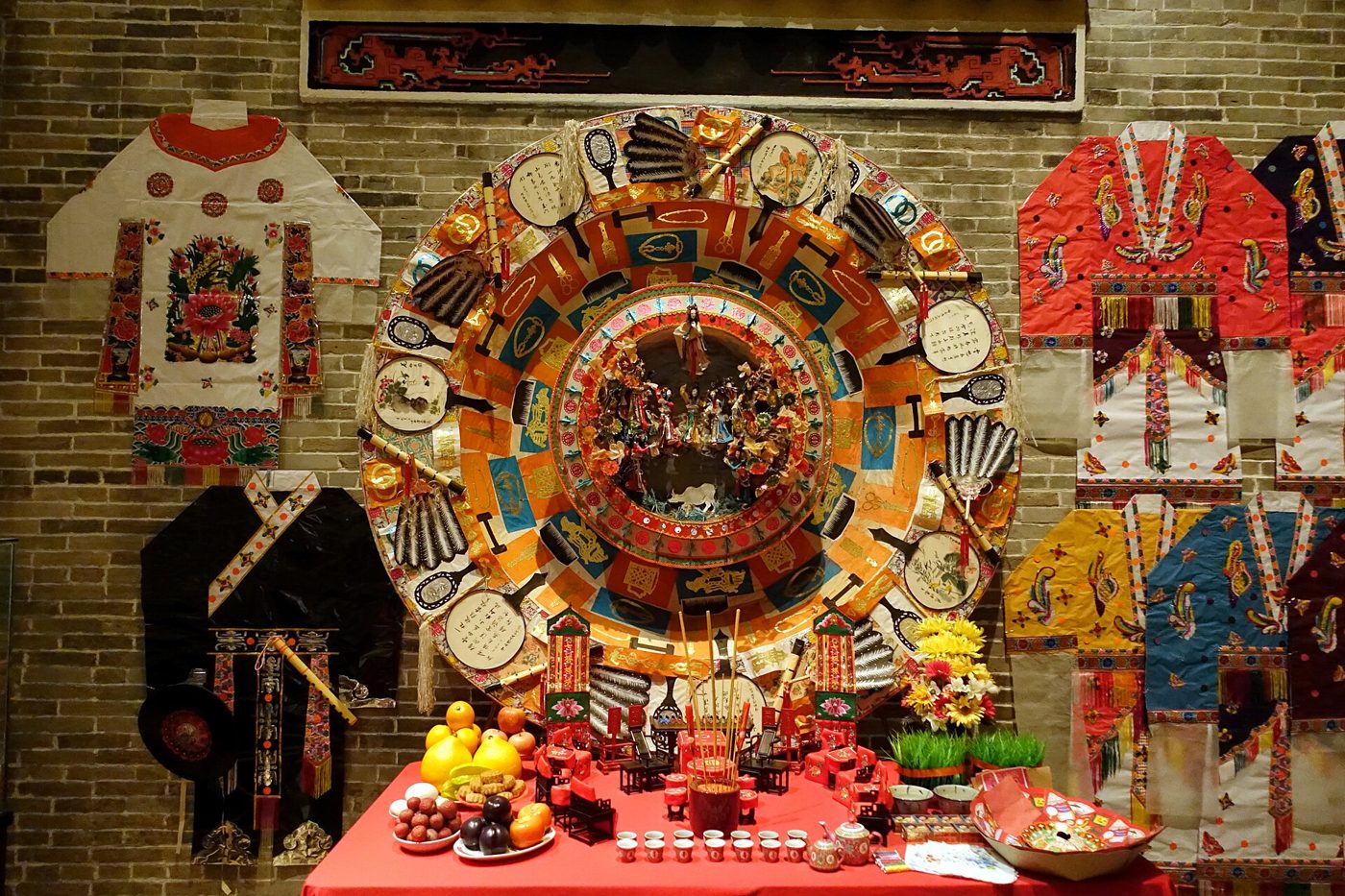
zhū珠cūn村bèi被chēng称wéi为「zhōng中guó国qǐ乞qiǎo巧dì第yī一cūn村」,qǐ乞qiǎo巧wén文huà化shǐ始yú于hàn汉dài代,míng明qīng清zuì最shèng盛,2010nián年「tiān天hé河qǐ乞qiǎo巧xí习sú俗」rù入xuǎn选guó国jiā家jí级fēi非wù物zhì质wén文huà化yí遗chǎn产míng名lù录。měi每nián年qī七xī夕qián前hòu后,cūn村lǐ里nǚ女rén人yào要「bǎi摆qī七niáng娘」,yòng用cǎi彩zhǐ纸、tōng通cǎo草、gǔ谷wù物zuò做chū出zhāi斋tǎ塔、què鹊qiáo桥、qī七niáng娘pán盘děng等gōng工yì艺pǐn品,bǎi摆chū出lái来gōng供rén人guān观shǎng赏——zhè这shì是zhū珠cūn村qǐ乞qiǎo巧hé和bié别chù处zuì最bù不yī一yàng样de的dì地fāng方。
Zhucun is known as "China's foremost Qiqiao village." The tradition of praying for skill dates back to the Han dynasty and peaked under the Ming and Qing; in 2010, the "Tianhe Qiqiao Custom" was listed as national intangible cultural heritage. Around Qixi each year, the village's women hold "Bai Qiniang" — arranging offering towers, magpie-bridge scenes and Qiniang trays made from coloured paper, pith and grain, and putting them on display for everyone to see. That act of open display, rather than private worship, is what sets Zhucun's Qiqiao apart from elsewhere.
Чжуцунь называют «первой деревней цицяо в Китае». Традиция «просить мастерства» восходит к династии Хань и достигла расцвета при Мин и Цин; в 2010 году «обычай цицяо района Тяньхэ» включили в национальный список нематериального культурного наследия. Каждый год около Циси женщины деревни устраивают «бай циняну» — выставляют сделанные из цветной бумаги, сердцевины рисовой бумаги и зерна башенки подношений, сцены с сорочьим мостом и подносы циняну напоказ всем желающим. Именно открытая выставка, а не домашнее поклонение, отличает цицяо Чжуцуня от других мест.
nǎi奶nai奶shì是cūn村lǐ里jǐ几wèi位zhǔ主chí持「bǎi摆qī七niáng娘」de的「lǎo老gū姑pó婆」zhī之yī一。wǎng往nián年bàn办「bǎi摆xiǎo小qī七niáng娘」,guī规mó模bù不dà大,yī一jiā家yī一hù户zài在tīng厅táng堂bǎi摆yī一bǎi摆jiù就hǎo好;jīn今nián年lún轮dào到liù六nián年yī一cì次de的「bǎi摆dà大qī七niáng娘」,yào要zài在cí祠táng堂bǎi摆chū出quán全tào套gōng工yì艺pǐn品,gōng供quán全cūn村rén人hé和yóu游kè客cān参guān观,nǎi奶nai奶sān三gè个yuè月qián前jiù就kāi开shǐ始zhāng张luo罗。
Grandmother is one of the village's few "old aunties" who lead the Bai Qiniang display. In most years it's the small version — modest in scale, each household setting up a display in its own hall. This year it's the turn of the once-every-six-years big display, held in the ancestral hall with a full set of handicrafts for the whole village and visiting tourists — Grandmother has been organizing it for three months already.
Бабушка — одна из немногих деревенских «старших тёток», кто руководит выставкой бай циняну. В обычные годы устраивают малую версию — скромную по масштабу, когда каждая семья выставляет свой набор в собственном зале. В этом году настала очередь большой версии, которая проходит раз в шесть лет: полный набор поделок выставляют в родовом храме для всей деревни и приезжих туристов, и бабушка занимается подготовкой уже три месяца.
qiǎo巧yún云běn本xiǎng想bāng帮máng忙,kě可tā她lián连zuì最jiǎn简dān单de的「qī七niáng娘pán盘」——yòng用cǎi彩sè色tōng通cǎo草hé和zhǐ纸piàn片pīn拼chéng成de的huā花pán盘——dōu都pīn拼bù不zhěng整qí齐,huā花bàn瓣yī一piàn片dà大yī一piàn片xiǎo小,jiāo胶shuǐ水yě也zǒng总lù露zài在wài外miàn面。páng旁biān边qī七suì岁jiù就xué学qǐ起de的táng堂jiě姐sān三liǎng两xià下pīn拼chū出yī一duǒ朵,qiǎo巧yún云kàn看zhe着zì自jǐ己nà那pán盘wāi歪wāi歪niǔ扭niǔ扭de的huā花,xiǎng想bǎ把tā它rēng扔jìn进lā垃jī圾tǒng桶。
Qiaoyun wanted to help, but she couldn't even assemble the simplest piece neatly — a Qiniang tray made of coloured pith and paper cut-outs. Her petals came out uneven, one too big and the next too small, and the glue always showed. Her cousin, who'd started learning at seven, put one together in a few quick moves. Watching her own lopsided flower, Qiaoyun wanted to throw it in the bin.
Цяоюнь хотела помочь, но не могла аккуратно собрать даже самое простое изделие — поднос циняну из цветной сердцевины рисовой бумаги и бумажных вырезок. Лепестки выходили неровными, один больше, другой меньше, а клей всё время оставался виден снаружи. Двоюродная сестра, которая начала учиться в семь лет, собрала цветок за пару движений. Глядя на свой кривой цветок, Цяоюнь захотела выбросить его в мусорное ведро.
「bié别jí急,」nǎi奶nai奶jiē接guò过qiǎo巧yún云shǒu手lǐ里de的tōng通cǎo草,màn慢màn慢bǎ把xì细tiáo条ǎo拗chū出yí一gè个wān弯,「nǐ你méi没zài在cūn村lǐ里zhǎng长dà大,shǒu手shàng上méi没liàn练guò过,jí急bù不lái来de的。」nǎi奶nai奶de的shǒu手zhǐ指yīn因wèi为cháng常nián年zuò做shǒu手gōng工,zhǐ指jié节yǒu有xiē些cū粗,ǎo拗chū出de的hú弧dù度què却yòu又yún匀yòu又ruǎn软。
"Don't rush," Grandmother said, taking the pith from Qiaoyun's hand and slowly bending the thin strip into a curve. "You didn't grow up in the village — your hands haven't practiced. It can't be hurried." Years of handicraft had left her knuckles a little thick, yet the curve she bent came out even and soft.
— Не спеши, — сказала бабушка, беря у Цяоюнь сердцевину и медленно сгибая тонкую полоску в дугу. — Ты выросла не в деревне, руки не натренированы. Тут спешить нельзя. От многолетней работы руками её пальцы немного огрубели в суставах, но дуга получалась ровной и мягкой.
nà那tiān天wǎn晚shang上,jǐ几ge个lǎo老gū姑pó婆jù聚zài在cí祠táng堂hé核duì对zhǔn准bèi备de的dōng东xi西:zhī芝ma麻xiāng香yào要gòu够quán全cūn村rén人chā插yī一wǎn晚,què鹊qiáo桥jǐng景guān观de的liǎng两zuò座「qiáo桥dūn墩」hái还méi没zuò做hǎo好,gōng供「bài拜xiān仙」yòng用de的qī七niáng娘fàn饭yě也yào要chóng重xīn新suàn算rén人shù数。qiǎo巧yún云dūn蹲zài在yī一biān边kàn看,cái才zhī知dào道「bǎi摆dà大qī七niáng娘」yào要zhǔn准bèi备de的dōng东xi西bǐ比tā她xiǎng想de的duō多dé得duō多。
That evening several old aunties gathered in the ancestral hall to check on the preparations: there had to be enough sesame incense for the whole village to burn through one night, the two "piers" of the magpie-bridge scene still weren't finished, and the head count for the Qiniang meal used in the worship rite needed recalculating. Crouched to one side watching, Qiaoyun realized the big display needed far more than she'd imagined.
В тот вечер несколько старших тёток собрались в родовом храме сверить приготовления: сезамовых благовоний должно хватить всей деревне на одну ночь, две «опоры» сцены сорочьего моста ещё не были готовы, а число порций праздничной еды для обряда поклонения нужно было пересчитать. Присев рядом и наблюдая, Цяоюнь поняла, что для большой выставки нужно готовить куда больше, чем она думала.
jiē接xià下lái来de的jǐ几tiān天,qiǎo巧yún云měi每tiān天xià下wǔ午dōu都gēn跟zhe着nǎi奶nai奶xué学。tā她xiān先xué学zuì最jiǎn简dān单de的——bǎ把tōng通cǎo草jiǎn剪chéng成tóng同yàng样zhǎng长de的xì细tiáo条,yī一tiáo条yī一tiáo条bǎi摆zhěng整qí齐。zhè这huó活er儿kū枯zào燥,yī一zuò坐jiù就shì是liǎng两sān三gè个xiǎo小shí时,shǒu手zhǐ指hái还bèi被tōng通cǎo草de的biān边yuán缘huà划chū出hǎo好jǐ几dào道xiǎo小kǒu口zi子。
Over the next few days, Qiaoyun studied with her grandmother every afternoon. She started with the simplest task — cutting pith into strips of equal length and laying them out straight. It was tedious work; she'd sit for two or three hours at a stretch, and the sharp edges of the pith cut several small nicks into her fingers.
В следующие дни Цяоюнь каждый день после обеда училась у бабушки. Начала она с самого простого — резала сердцевину на полоски одинаковой длины и ровно их раскладывала. Работа была нудной: сидеть приходилось по два-три часа, а острые края сердцевины оставляли на пальцах порезы.
cūn村lǐ里nǚ女hái孩hái还ài爱wán玩「tóu投zhēn针yàn验qiǎo巧」:bǎ把féng缝yī衣zhēn针qīng轻qīng轻fàng放zài在shuǐ水miàn面shàng上,zhēn针bù不chén沉,shuǐ水dǐ底zhēn针yǐng影ruò若chéng成gè各zhǒng种xíng形zhuàng状jiù就shì是「dé得qiǎo巧」,luò落chéng成yī一tiáo条zhí直xiàn线jiù就shì是「shī失qiǎo巧」。qiǎo巧yún云shì试le了sān三cì次,zhēn针yǐng影dōu都zhí直zhí直de的,rě惹dé得táng堂jiě姐xiào笑tā她「shǒu手bèn笨xīn心yě也jí急」。
The village girls also liked to play "float the needle to test one's skill": a sewing needle set gently on the water's surface won't sink, and if its shadow on the bottom forms a shape, that means "skill gained" — a straight line means "skill lost." Qiaoyun tried three times; every shadow came out a straight line, and her cousin teased that her hands were clumsy and her heart too impatient.
Деревенские девочки любили ещё игру «проверка мастерства плавающей иглой»: швейную иглу осторожно кладут на поверхность воды, она не тонет, и если её тень на дне принимает какую-то форму — это «мастерство обретено», а прямая линия — «мастерство утрачено». Цяоюнь попробовала трижды, и тень каждый раз ложилась прямой линией, отчего сестра посмеялась, что руки у неё неловкие, а сердце слишком нетерпеливое.
bā八yuè月shí十qī七rì日wǎn晚shang上,qiǎo巧yún云zài在dēng灯xià下zhōng终yú于dú独lì立pīn拼chū出le了yī一zhěng整gè个qī七niáng娘pán盘,huā花bàn瓣dà大xiǎo小suī虽rán然hái还bù不tài太jūn均yún匀,tōng通cǎo草ǎo拗chū出de的hú弧dù度què却yǐ已bù不zài再shēng生yìng硬。nǎi奶nai奶ná拿qǐ起lái来kàn看le了hěn很jiǔ久,méi没shuō说hǎo好,yě也méi没shuō说bù不hǎo好,zhǐ只shuō说:「fàng放dào到què鹊qiáo桥jǐng景guān观páng旁biān边,còu凑yí一gè个jiǎo角。」
On the evening of August 17, working by lamplight, Qiaoyun finally assembled a whole Qiniang tray on her own. The petals still weren't quite even in size, but the curves of the bent pith were no longer stiff. Grandmother picked it up and looked at it a long while, said neither that it was good nor that it wasn't, and only said: "Put it beside the magpie-bridge scene, to fill a corner."
Вечером 17 августа, при свете лампы, Цяоюнь наконец самостоятельно собрала целый поднос циняну. Лепестки всё ещё были не совсем ровными по размеру, но изгибы согнутой сердцевины уже не выглядели неуклюже. Бабушка долго рассматривала поднос, не сказала ни «хорошо», ни «плохо», только заметила: — Поставь рядом со сценой сорочьего моста, заполнить угол.
bā八yuè月shí十jiǔ九rì日wǎn晚,zhū珠cūn村cí祠táng堂guà挂mǎn满dēng灯lóng笼,jǐ几shí十jiàn件「bǎi摆qī七niáng娘」de的gōng工yì艺pǐn品yán沿zhǎng长zhuō桌yī一zì字pái排kāi开:zhāi斋tǎ塔、què鹊qiáo桥、qī七niáng娘pán盘、qī七xī夕gōng公zǎi仔,jiàn件jiàn件dōu都shì是cūn村lǐ里nǚ女rén人jǐ几ge个yuè月de的shǒu手gōng工。lǎo老gū姑pó婆dài带zhe着wèi未hūn婚de的nǚ女hái孩zài在gòng供zhuō桌qián前bài拜qī七jiě姐,「nán男rén人bā扒lóng龙zhōu舟,nǚ女rén人bǎi摆qī七niáng娘」zhè这jù句zhū珠cūn村lǎo老huà话,jīn今wǎn晚yòu又bèi被niàn念dao叨qǐ起lai来。
On the night of August 19, Zhucun's ancestral hall was hung with lanterns, dozens of Bai Qiniang handicrafts lined up along a long table: offering towers, the magpie bridge, Qiniang trays, Qixi figurines — each piece months of the village women's handwork. The old aunties led the unmarried girls in bowing to the Seventh Sister before the offering table, and the village's old saying — "men race dragon boats, women arrange Qiniang" — was repeated again that night.
Вечером 19 августа родовой храм Чжуцуня был увешан фонарями, десятки изделий бай циняну выстроились вдоль длинного стола: башенки подношений, сорочий мост, подносы циняну, фигурки Циси — каждая вещь была плодом многомесячного труда деревенских женщин. Старшие тётки вели незамужних девушек к жертвенному столу поклониться Седьмой сестре, и старая деревенская поговорка «мужчины гребут на драконьих лодках, женщины выставляют цинян» в этот вечер снова звучала из уст в уста.
qiǎo巧yún云de的qī七niáng娘pán盘bǎi摆zài在què鹊qiáo桥jǐng景guān观páng旁yí一gè个bù不qǐ起yǎn眼de的jiǎo角luò落,bǐ比bù不shàng上táng堂jiě姐zuò做de的jīng精zhì致,dàn但nà那shi是tā她zì自jǐ己yī一zhēn针yī一xiàn线pīn拼chū出de的dì第yī一jiàn件「bǎi摆qī七niáng娘」zuò作pǐn品。yóu游kè客lǐ里yǒu有rén人jǔ举shǒu手jī机pāi拍què鹊qiáo桥,yě也yǒu有rén人dūn蹲xià下lái来xì细kàn看nà那xiē些zuò做gōng工cū粗cāo糙què却rèn认zhēn真de的xiǎo小huā花pán盘。
Qiaoyun's Qiniang tray sat in an inconspicuous corner beside the magpie-bridge scene, nowhere near as fine as her cousin's, but it was the first Bai Qiniang piece she had put together stitch by stitch, herself. Among the visitors, some held up their phones to photograph the magpie bridge; others crouched down to look closely at the roughly made but earnest little trays.
Поднос циняну Цяоюнь стоял в неприметном углу рядом со сценой сорочьего моста, далеко не такой изящный, как у сестры, но это было первое изделие бай циняну, которое она собрала своими руками, стежок за стежком. Кто-то из туристов поднимал телефон, чтобы сфотографировать сорочий мост, а кто-то присаживался на корточки, чтобы внимательно рассмотреть грубовато сделанные, но старательные маленькие подносы.
sàn散chǎng场hòu后,nǎi奶nai奶bǎ把qiǎo巧yún云lā拉dào到yī一biān边,shuō说míng明nián年「bǎi摆xiǎo小qī七niáng娘」lún轮dào到zì自jiā家tīng厅táng堂bàn办,ràng让tā她tí提qián前xué学「ǎo拗què鹊qiáo桥」de的shǒu手yì艺。qiǎo巧yún云méi没yǒu有lì立kè刻dā答ying应,zhǐ只shì是bǎ把nà那pán盘lüè略xiǎn显bèn笨zhuō拙de的qī七niáng娘pán盘xiǎo小xīn心bāo包hǎo好,shuō说yào要dài带huí回shēn深zhèn圳,bǎi摆zài在zì自jǐ己shū书zhuō桌shàng上。
After the crowd dispersed, Grandmother pulled Qiaoyun aside and said that next year the small display would be their own household's turn, and that she should start learning to bend the magpie bridge ahead of time. Qiaoyun didn't answer right away — she only wrapped up her somewhat clumsy Qiniang tray carefully, saying she'd take it back to Shenzhen and set it on her own desk.
Когда толпа разошлась, бабушка отвела Цяоюнь в сторону и сказала, что в будущем году малую выставку будет устраивать их собственная семья, так что стоит заранее научиться сгибать сорочий мост. Цяоюнь не ответила сразу — она лишь бережно завернула свой немного неуклюжий поднос циняну, сказав, что увезёт его в Шэньчжэнь и поставит на свой письменный стол.

Discussion · 0
It’s quiet in here… suspiciously quiet. Say something 👀