tài太yuán原de的jìn晋cí祠lǐ里,yǒu有yī一zuò座shèng圣mǔ母diàn殿,yǐ已jīng经zài在na那er儿zhàn站le了jìn近qiān千nián年。diàn殿lǐ里yī一gòng共zhàn站zhe着sì四shí十sān三zūn尊sòng宋cháo朝de的cǎi彩sù塑。tā它men们bú不shi是pǔ普tōng通de的diāo雕xiàng像——liǎn脸shàng上yǒu有biǎo表qíng情,yī衣fu服shàng上yǒu有huā花wén纹,méi眉yǎn眼gè各bù不xiāng相tóng同,hǎo好xiàng像xià下yī一miǎo秒jiù就huì会kāi开kǒu口shuō说huà话,ràng让rén人yī一jìn进diàn殿jiù就rěn忍bu不zhù住duō多kàn看jǐ几yǎn眼。
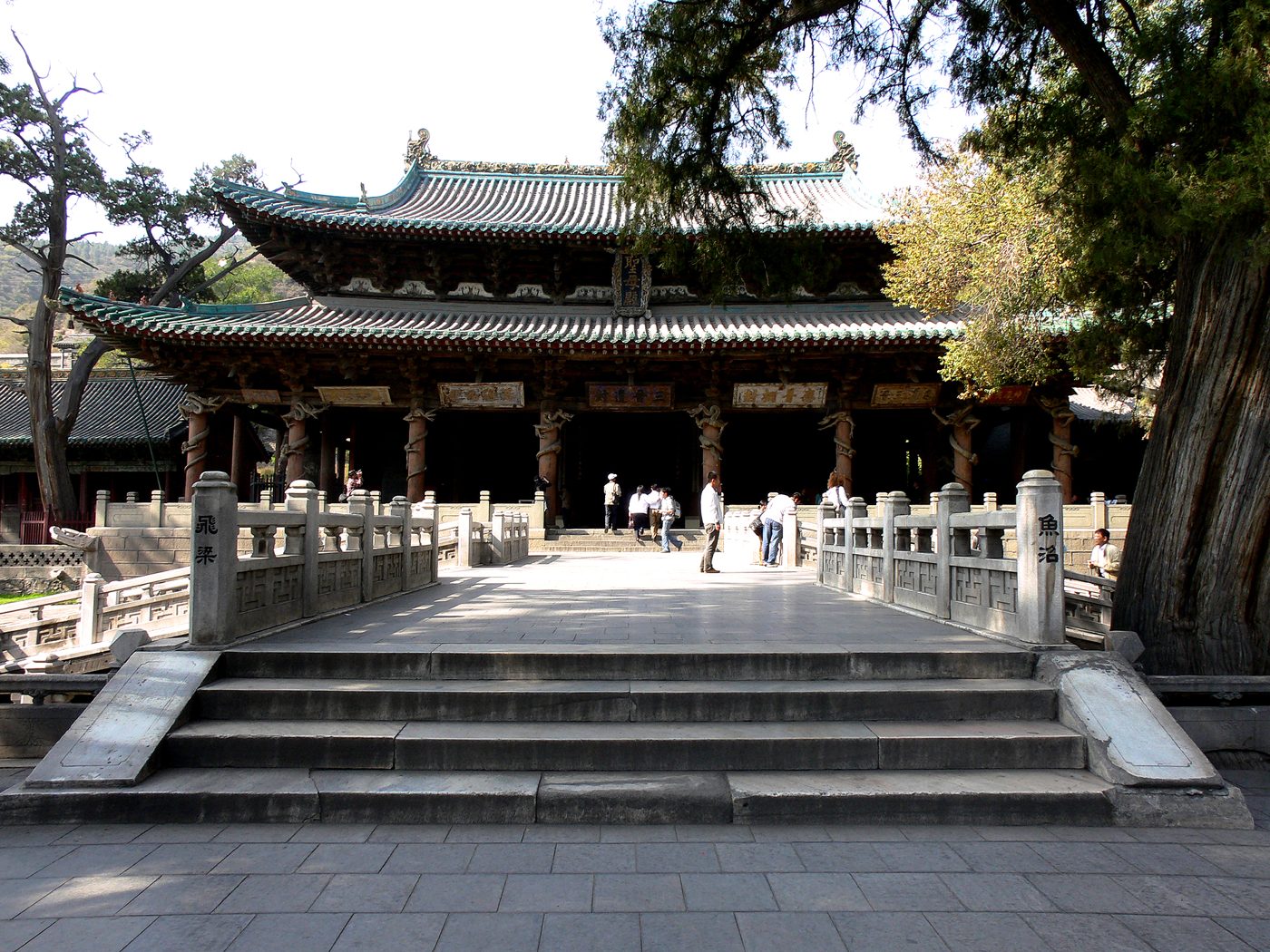
In Taiyuan's Jin Temple stands the Shenmu (Holy Mother) Hall, nearly a thousand years old. Inside stand forty-three painted clay sculptures from the Song dynasty. They are no ordinary statues — each face has its own expression, each robe its own pattern, no two brows or eyes quite alike, as if they might open their mouths and speak at any moment. Visitors can't help but linger.
В храме Цзиньцы в Тайюане стоит зал Шэнму (Зал Святой Матери), которому почти тысяча лет. Внутри находятся сорок три раскрашенные глиняные статуи эпохи Сун. Это не обычные изваяния — у каждой свое выражение лица, свой узор на одежде, непохожие брови и глаза, будто в любой момент они могут заговорить. Посетители невольно задерживаются подольше.
8yuè月24rì日,jìn晋cí祠bó博wù物guǎn馆xuān宣bù布,yào要duì对qí其zhōng中wǔ五zūn尊cǎi彩sù塑jìn进xíng行bǎo保hù护hé和xiū修fù复。zhè这wǔ五zūn尊cǎi彩sù塑biān编hào号shì是9hào号dào到13hào号,dōu都shì是shèng圣mǔ母diàn殿lǐ里de的shì侍nǚ女xiàng像。zhè这cì次xiū修fù复gōng工zuò作yào要zuò做shí十sì四gè个yuè月,yī一zhí直dào到2027nián年10yuè月cái才néng能jié结shù束。
On August 24, the Jin Temple Museum announced that five of the sculptures would undergo conservation and restoration. Numbered 9 through 13, they are all attendant figures inside the Shenmu Hall. The work will take fourteen months, running until October 2027.
24 августа музей храма Цзиньцы объявил, что пять из статуй пройдут реставрацию. Статуи под номерами с 9 по 13 — это фигуры служанок в зале Шэнму. Работа займет четырнадцать месяцев и завершится только в октябре 2027 года.
shí时jiān间tài太zhǎng长le了,cǎi彩sù塑yě也huì会"shēng生bìng病"。gōng工zuò作rén人yuán员shuō说,zhè这xiē些cǎi彩sù塑yīn因wèi为nián年dài代jiǔ久yuǎn远,chū出xiàn现le了bù不tóng同chéng程dù度de的"bìng病hài害":ní泥tǔ土zuò做de的shēn身tǐ体biàn变de得bù不wěn稳dìng定,biǎo表miàn面de的yán颜sè色yī一diǎn点diǎn点diào掉luò落,hái还jī积le了bù不shǎo少huī灰chén尘,yǒu有de的dì地fāng方shèn甚zhì至kāi开shǐ始kāi开liè裂。rú如guǒ果bù不jí及shí时xiū修,qíng情kuàng况zhǐ只huì会yuè越lái来yuè越chà差。
Over such a long time, even sculptures can "fall ill." Conservators say the figures show varying degrees of what they call "disease": their clay bodies have grown unstable, pigment on the surface is flaking away, dust has built up, and in places cracks have started to appear. Left untreated, the condition would only worsen.
За такое долгое время статуи тоже могут "заболеть". Реставраторы говорят, что из-за возраста у фигур появились разные "болезни": глиняное тело стало нестабильным, краска на поверхности постепенно осыпается, скопилась пыль, а местами уже пошли трещины. Если не отреставрировать вовремя, состояние будет только ухудшаться.
zhè这cì次xiū修fù复huì会yòng用"zuì最xiǎo小gān干yù预"de的fāng方fǎ法。yì意si思shì是:néng能bù不dòng动de的dì地fāng方jiù就bù不dòng动,zhǐ只chǔ处lǐ理zhēn真zhèng正yǒu有wèn问tí题de的bù部fen分。gōng工zuò作rén人yuán员huì会yī一biān边yòng用chuán传tǒng统de的lǎo老bàn办fǎ法,yī一biān边yòng用xiàn现dài代de的kē科xué学jì技shù术,xiān先gěi给cǎi彩sù塑zǐ仔xì细"tǐ体jiǎn检",zhǎo找chū出wèn问tí题zài在nǎ哪er儿,zài再jué决dìng定zěn怎me么xiū修。xiū修fù复de的mù目biāo标hěn很míng明què确:ràng让cǎi彩sù塑bǎo保liú留bǎi百fēn分zhī之bǎi百de的sòng宋dài代yuán原mào貌,biǎo表qíng情、wén纹lǐ理、yán颜sè色dōu都bù不néng能biàn变。
The restoration follows a "minimum intervention" approach: leave alone whatever doesn't need touching, and treat only the parts with real problems. Conservators will combine traditional craft with modern science, first giving each sculpture a careful "checkup" to pinpoint the damage before deciding how to treat it. The goal is explicit — preserve the Song-dynasty originals exactly as they are, keeping every expression, texture, and color unchanged.
Реставрация пройдет по принципу "минимального вмешательства": то, что не требует ремонта, не трогают, а работают только с реальными повреждениями. Реставраторы соединят традиционные приемы с современной наукой: сначала статуе делают тщательный "осмотр", чтобы понять, в чем проблема, а потом решают, как ее устранить. Цель ясна — сохранить облик эпохи Сун на все сто процентов: выражение лица, фактуру, цвет менять нельзя.
shèng圣mǔ母diàn殿jiàn建yú于běi北sòng宋nián年jiān间(1023nián年dào到1032nián年),shì是jìn晋cí祠yǒu有míng名de的"sān三jiàn件guó国bǎo宝"zhī之yī一。diàn殿lǐ里de的sì四shí十sān三zūn尊cǎi彩sù塑pái排dé得zhěng整zhěng整qí齐qí齐:zhōng中jiān间zuò坐zhe着shèng圣mǔ母,liǎng两bian边zhàn站zhe着wǔ五wèi位guān官yuán员shǐ使zhě者、sì四wèi位chuān穿nán男zhuāng装de的nǚ女guān官,hái还yǒu有sān三shí十sān三wèi位shì侍nǚ女,jiù就xiàng像yī一qiān千nián年qián前de的yī一cháng场zhāo朝huì会,rè热nao闹yòu又zhuāng庄zhòng重。
Shenmu Hall was built during the Northern Song dynasty (1023-1032) and is one of Jin Temple's famous "three treasures." Its forty-three sculptures stand in careful order: the Holy Mother seated at the center, flanked by five court officials, four female officials in men's dress, and thirty-three attendants — arranged like a thousand-year-old royal audience, both lively and solemn.
Зал Шэнму был построен в годы Северной Сун (1023-1032) и считается одним из трех знаменитых "сокровищ" храма Цзиньцы. Сорок три статуи расставлены строгими рядами: в центре сидит Святая Мать, по бокам — пять сановников-посланников, четыре женщины-чиновницы в мужской одежде и тридцать три служанки, словно тысячелетняя дворцовая аудиенция — оживленная и торжественная одновременно.
zhè这jǐ几nián年,tài太yuán原xiū修wén文wù物yuè越lái来yuè越jiǎng讲kē科xué学:xiān先zuò做shù数zì字sǎo扫miáo描,bǎ把měi每yī一cùn寸xì细jié节dōu都cún存xià下lai来;dòng动shǒu手xiū修fù复shí时,yě也jǐn尽liàng量yòng用lǎo老shǒu手yì艺,bù不duō多jiā加yī一diǎn点zì自jǐ己de的dōng东xi西。jìn晋cí祠lǐ里de的shuǐ水jìng镜tái台,qián前duàn段shí时jiān间yě也shì是zhè这yàng样xiū修hǎo好de的。
In recent years Taiyuan's heritage conservation has grown more scientific: sites are digitally scanned first, capturing every detail before any work begins; when hands-on restoration happens, conservators lean on traditional craft and add as little of their own as possible. Jin Temple's Water Mirror Terrace was restored the same way not long ago.
В последние годы реставрация памятников в Тайюане становится все более научной: сначала объект сканируют в цифровом виде, сохраняя каждую деталь, а уже потом приступают к ручной работе, стараясь как можно меньше добавлять от себя и опираясь на традиционное мастерство. Так же недавно отреставрировали и Террасу водного зеркала в том же храме.
xiū修fù复qī期jiān间,shèng圣mǔ母diàn殿de的zhè这yī一bù部fen分kě可néng能huì会wéi围qǐ起lái来,yóu游kè客yào要rào绕yī一xià下lù路。bù不guò过bù不shǎo少tài太yuán原rén人shuō说,děng等yī一děng等méi没guān关xi系——zhè这xiē些"sòng宋cháo朝rén人"yǐ已jīng经zhàn站le了yī一qiān千nián年,zhí值de得zài再duō多yì一diǎn点nài耐xīn心。
During the restoration, part of Shenmu Hall may be screened off, and visitors will need to take a small detour. Many in Taiyuan say that's fine — these "people of the Song dynasty" have already stood for a thousand years; they've earned a little more patience.
Во время реставрации часть зала Шэнму может быть огорожена, и посетителям придется немного обойти. Но многие в Тайюане говорят, что это не беда — эти "люди эпохи Сун" простояли тысячу лет, они заслужили еще немного терпения.

Discussion · 0
It’s quiet in here… suspiciously quiet. Say something 👀